When considering your home environment, the impact of your flooring choices on your health may not be the first thing that comes to mind. However, if you or your loved ones suffer from allergies, choosing the best flooring for allergies becomes essential. The right flooring can improve indoor air quality and support a healthier living space. Understanding how different flooring materials affect allergens can help you make informed decisions and select the best flooring for allergies.
Allergies and indoor living spaces
Before exploring specific flooring options, it’s important to recognize the most common allergens found in homes. Dust mites, pet dander, mold, and pollen are frequent triggers that can worsen allergy symptoms. These particles tend to accumulate indoors, and your flooring choice plays a major role in whether allergens are trapped or easily removed. Selecting the best flooring for allergies can significantly reduce allergen buildup and improve overall indoor air quality.
Common allergens in homes
Dust mites thrive in bedding, upholstery, and carpets, while pet dander, particularly from furry companions, can stick to numerous surfaces. Mold often finds a home in damp areas like bathrooms, and pollen can enter your home from outside. Given this knowledge, it’s crucial to choose flooring that minimizes these allergens.
How flooring choices affect allergy symptoms
Flooring materials directly impact how allergens behave in your home. Carpet tends to trap dust and dander, making it less ideal for allergy sufferers unless carefully maintained. Hard surfaces like tile, vinyl, or hardwood are often considered the best flooring for allergies because they are easier to clean and do not harbor allergens as easily, creating a healthier living environment.
Why choosing the best flooring for allergies matters
Choosing the best flooring for allergies goes beyond comfort, it plays a key role in protecting your health. Flooring materials directly influence how allergens accumulate and circulate indoors. When the best flooring for allergies is used, it helps limit exposure to dust, pet dander, and other irritants that can trigger respiratory issues, skin reactions, and ongoing fatigue.
Importance of choosing hypoallergenic materials
Selecting hypoallergenic flooring materials is essential when aiming for the best flooring for allergies. These surfaces are designed to resist allergen buildup and are easier to clean, which improves indoor air quality and supports overall well-being for allergy-sensitive households.
Effects of allergens on health
Poor flooring choices can trap allergens and worsen symptoms such as sneezing, congestion, and asthma flare-ups. Choosing the best flooring for allergies helps minimize these risks by reducing allergen retention and improving airflow within your living space.

Allergy symptoms related to flooring materials
Flooring materials that trap allergens can negatively affect indoor air quality and trigger a variety of symptoms, including:
- Persistent coughing and throat irritation caused by dust and debris trapped in carpets or textured surfaces.
- Nasal congestion, sneezing, and runny nose due to dust mites, pet dander, and pollen buildup.
- Headaches and fatigue linked to prolonged exposure to airborne allergens.
- Worsening asthma or breathing difficulties when allergens are repeatedly released into the air.
- Skin irritation or itchy eyes in sensitive individuals exposed to allergen-heavy flooring.
Choosing flooring that minimizes allergen retention and is easy to clean can help reduce these symptoms and support a healthier home environment.
Types of flooring options
Now that you understand the importance of selecting the right materials, it’s time to explore different flooring options and how they compare when choosing the best flooring for allergies.
Hard surface flooring
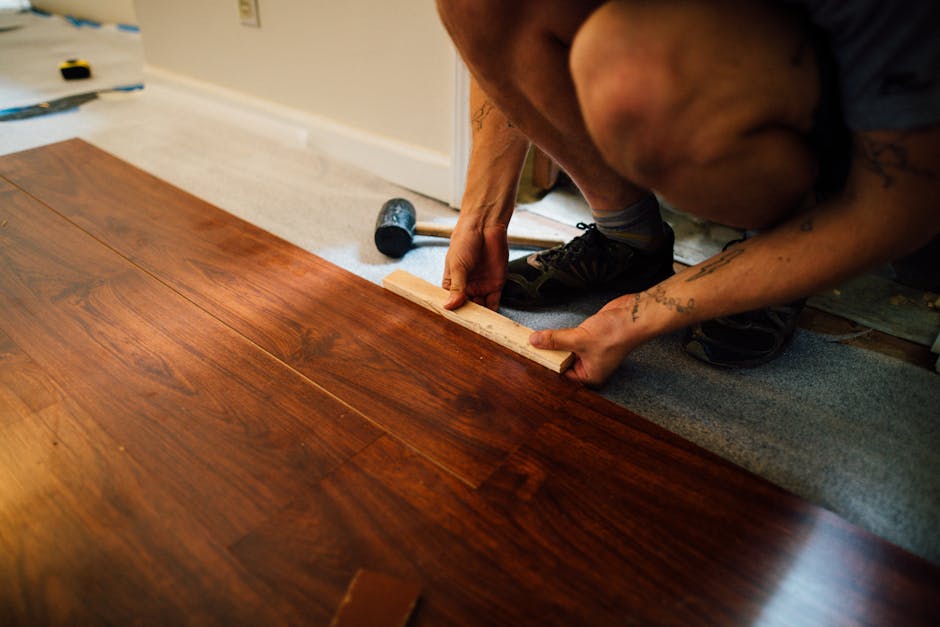
Hard surface flooring options such as tile and hardwood are widely considered the best flooring for allergies. Their non-porous surfaces prevent dust, pet dander, and other allergens from becoming trapped, making them easier to clean and maintain.
Tile
Tile flooring is a durable and low-maintenance option that resists moisture and does not harbor allergens, making it one of the best flooring for allergies in high-traffic areas.
- Benefits and drawbacks: One of the significant benefits of tile is its resistance to moisture and stains, making it a great choice for kitchens and bathrooms. However, it can be cold underfoot, and installation may be more complex than other flooring types.
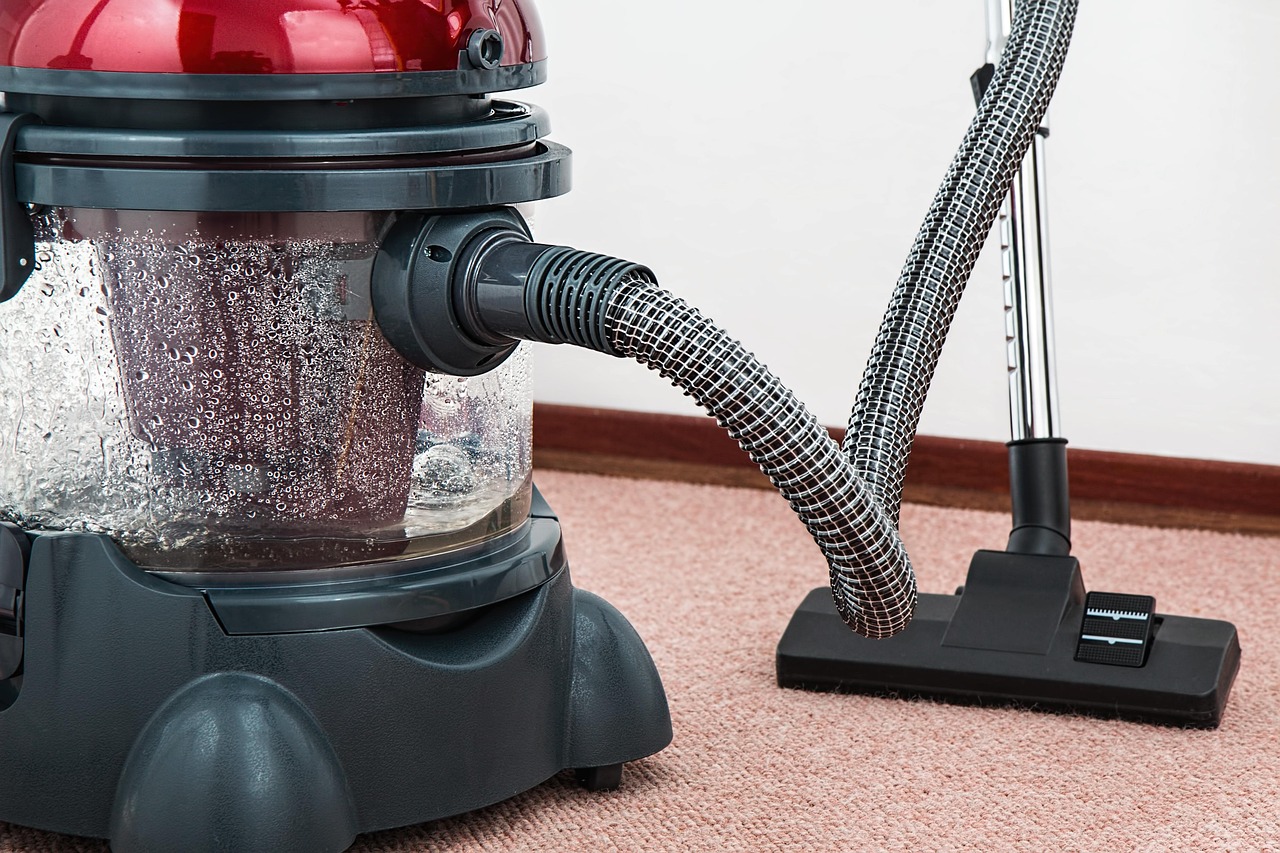
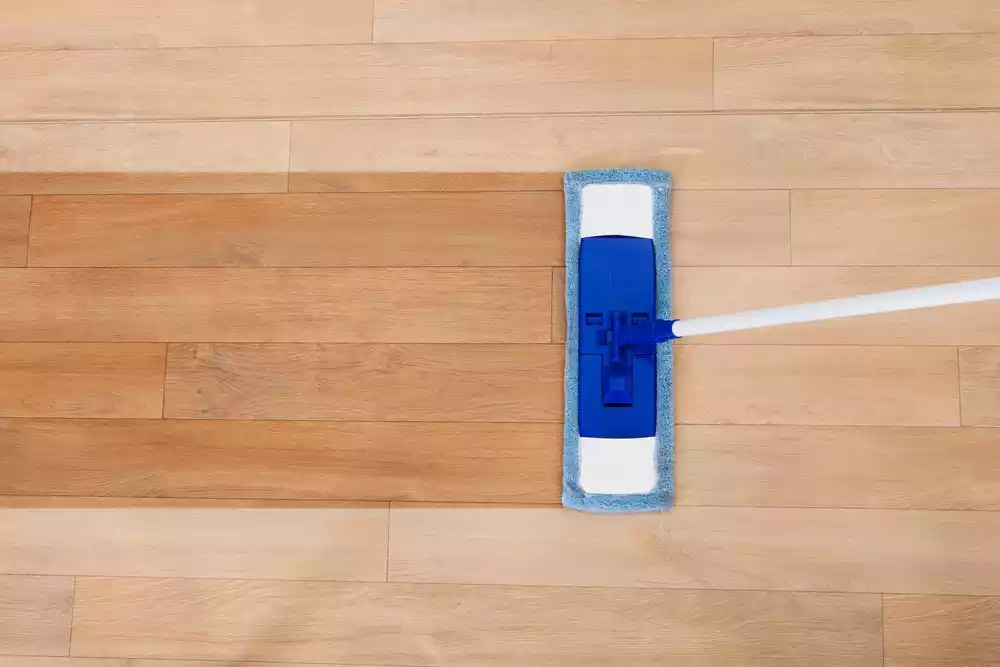
- Maintenance and cleaning tips: Regular sweeping and mopping will keep tile surfaces looking pristine. For added benefit, consider using a vacuum with a HEPA filter to remove fine allergens from grout lines.
Hardwood
Hardwood flooring combines visual appeal with health benefits, making it another strong contender for the best flooring for allergies.
- Allergens and benefits: Unlike carpet, hardwood doesn’t trap dust, making it one of the best flooring options for people with allergies. Sealed hardwood is particularly beneficial as it minimizes the adherence of dirt and dust.
- Best finishes for allergy sufferers: Look for wood floors with low VOC finishes. These are not only safer for health but also help maintain a clean surface.
Soft surface flooring
While hard surfaces are often the best flooring for allergies, some homeowners still prefer soft surfaces for added comfort.
Carpet
Although often regarded as problematic for allergy sufferers, the right choice of carpet can still meet your needs for comfort without aggravating allergies.
- Carpet types and their allergy potential: Loop pile carpets tend to trap fewer allergens compared to other types, while low-pile options are typically easier to clean.
- Recommended carpet fibers: Consider carpets made from wool or synthetic fibers designed to resist stains and allergens. Always opt for hypoallergenic carpet models.
Area rugs
Area rugs can soften a space and add warmth, but choosing the right ones is essential.
- Choosing hypoallergenic area rugs: Look for rugs made of natural fibers or those labeled as hypoallergenic.
- Maintenance recommendations: Vacuum regularly, and wash machine-washable rugs frequently to minimize allergens.
Features to look for in allergy-friendly flooring
When evaluating flooring options, it's essential to look for certain features that can enhance your indoor air quality and ensure you're selecting the best flooring for allergies.
Materials with low VOCs
What are VOCs?
Volatile organic compounds (VOCs) are chemicals found in many building materials and furnishings that can negatively influence indoor air quality.
Importance of low VOC materials
Opting for materials with low or zero VOCs is paramount in minimizing allergy symptoms. This reduces the compounds that can trigger respiratory problems and other allergic reactions.
Ease of cleaning
Cleaning frequency and techniques
The easier it is to clean your flooring, the better chance you have of keeping allergens at bay. Regular cleaning routines allow you to manage allergens effectively.
Best cleaning products for allergy sufferers
When cleaning, choose non-toxic products that are free from harmful chemicals. Look for those that are explicitly designed for allergy sufferers to ensure a safe environment.
Durability and longevity
Importance of long-lasting flooring
Investing in durable flooring means fewer replacements over time, which can reduce the disruption and changes that exacerbate allergies.
Cost-effectiveness in allergy-friendly options
In the long run, choosing durable, allergy-friendly flooring can save you money while providing a healthier living environment.
Tips for choosing the right flooring
Finding the perfect flooring involves understanding your environment and seeking professional guidance.
Assessing your home environment
You must explore specific allergy triggers in your home. Identifying whether dust, pet dander, or molds are your primary concerns can guide your flooring decisions.
Evaluating household needs (Kids, Pets, etc.)
Consider the needs of your household. If you have kids or pets, choose materials that can withstand wear and are easy to clean.
Consulting with professionals
When uncertainty arises, professional guidance can make all the difference.
When to seek expert advice
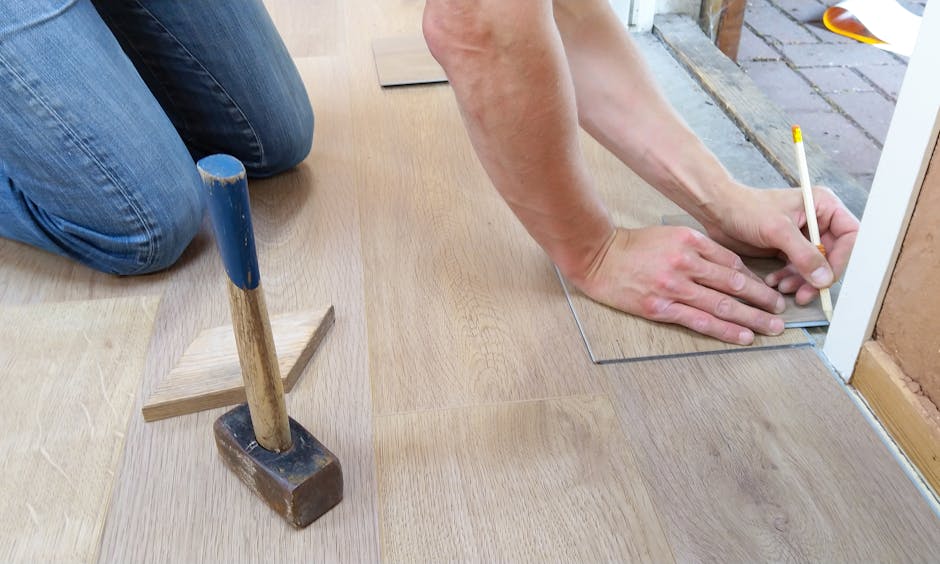
f you’re unsure which option truly qualifies as the best flooring for allergies, this is the right moment to consult experienced professionals. At Diamond Flooring & Carpet Installation, we specialize in flooring installation and carpet sales in Columbus Ohio, helping homeowners choose flooring solutions that reduce allergens while meeting their lifestyle and design needs. Our team can guide you through allergy-friendly materials, maintenance considerations, and long-term performance to ensure the best results for your home.
Creating a healthier home starts from the floor up
Choosing the best flooring for allergies is a meaningful step toward improving indoor air quality and overall well-being. By focusing on hypoallergenic materials, ease of maintenance, and professional guidance, you can reduce allergy triggers and create a more comfortable living environment.
Thoughtful flooring choices go beyond appearance, they help shape a space where your family can breathe easier and thrive. Whether you’re exploring tile, hardwood, or allergy-conscious carpet options, working with experienced professionals, like Diamond Flooring & Carpet Installation, ensures your investment supports both your home and your health for years to come.