A smooth carpet can completely change the feel of a room. It adds warmth, improves comfort, and helps create a cleaner, more polished appearance throughout the home. But when ripples begin forming across the surface, that clean look quickly disappears. Many homeowners eventually start asking the same question: why does carpet ripple and what can be done to stop it?
Carpet ripples are more than just a cosmetic issue. Uneven flooring can create safety concerns, reduce the lifespan of the carpet, and make an entire space feel older or poorly maintained. In some cases, the issue can be corrected with professional stretching or minor repairs. In others, it may point to larger installation or moisture-related problems.
Understanding what causes carpet ripples can help homeowners protect their flooring and know when it is time to take action.
What carpet rippling actually looks like
Rippling carpet usually appears as waves, bumps, or raised sections that no longer sit flat against the floor. Sometimes the problem starts subtly and becomes more visible over time, especially in larger rooms or areas with frequent foot traffic.
Many people first notice the issue while vacuuming or walking across the room. The surface may feel uneven underfoot, or certain sections may appear loose compared to surrounding areas.
Homeowners often wonder why does carpet ripple even when the flooring still seems relatively new. The truth is that several different factors can contribute to the problem, and in many cases, multiple issues work together to create those visible waves.
Humidity is one of the biggest causes
One of the most common answers to why does carpet ripple is changing humidity levels inside the home. Carpet fibers naturally expand and contract depending on moisture levels in the air.
During humid seasons, certain carpet materials absorb moisture and begin expanding slightly. Over time, this expansion creates excess slack across the surface, leading to visible ripples or buckling.
Homes with poor ventilation or inconsistent indoor climate control may experience this issue more frequently. Basements and rooms with high moisture exposure are especially vulnerable.
Humidity-related ripples often become more noticeable during warmer months and may temporarily improve when indoor conditions become drier again.
Poor installation can lead to long-term problems
Improper installation is another major reason why does carpet ripple in residential spaces. If carpet is not stretched tightly enough during installation, extra material may remain loose beneath the surface.
As the carpet experiences daily use, that looseness gradually becomes more obvious. Foot traffic, furniture movement, and temperature changes can all worsen the issue over time.
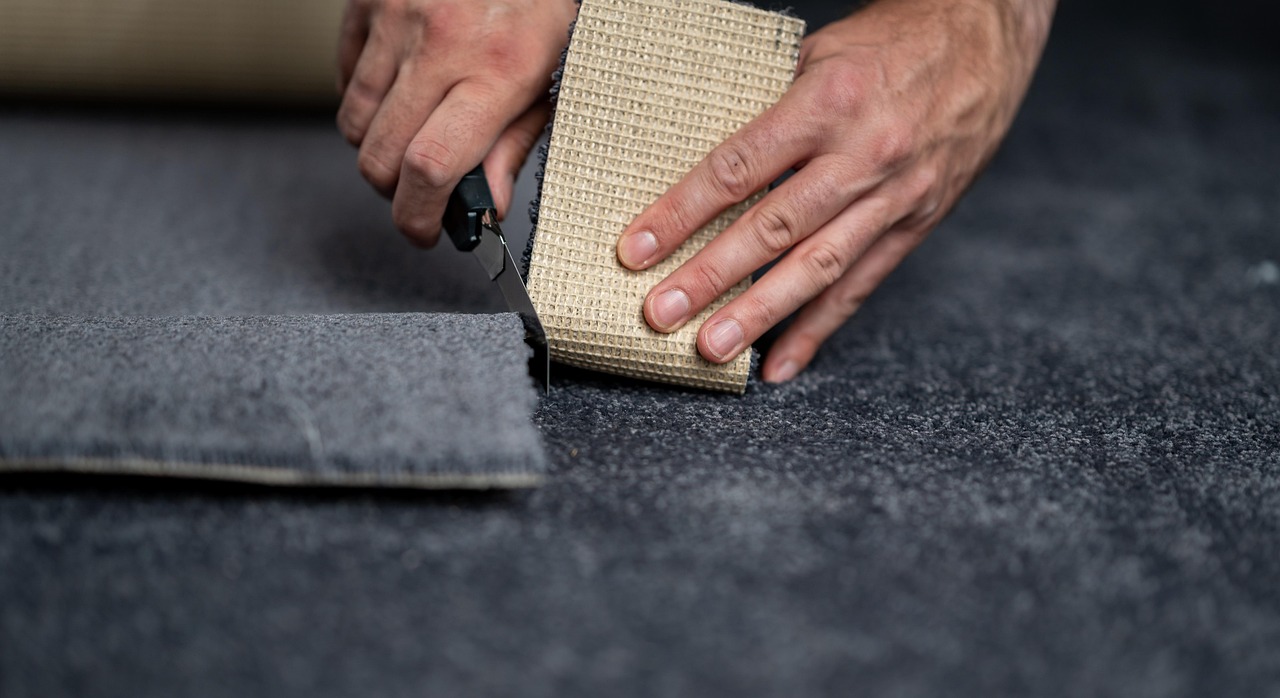
Professional carpet installation typically involves power stretching tools designed to create proper tension throughout the room. Without that process, carpets are much more likely to develop waves and uneven sections later on.
In many cases, rippling that appears within the first few years after installation points directly to stretching or installation problems.
Heavy furniture can create uneven pressure
Large furniture pieces may also contribute to rippling over time. Sofas, beds, entertainment centers, and heavy tables create concentrated pressure on specific carpet areas for extended periods.
This uneven weight distribution can gradually shift carpet tension and affect how the flooring sits across the room. Homeowners asking why does carpet ripple sometimes discover that the issue is worse near furniture edges or along heavily used walkways.
Furniture drag can make the situation even worse. Moving heavy objects across carpet without proper lifting can pull fibers and stretch sections unevenly.
Using furniture pads and occasionally adjusting room layouts may help reduce long-term stress on carpet surfaces.
Moisture problems beneath the carpet
Water exposure is another important factor behind why does carpet ripple in some homes. Spills, plumbing leaks, flooding, or excessive moisture trapped beneath the carpet can affect both the fibers and the underlying padding.
When moisture becomes trapped for long periods, the carpet may begin loosening from the floor surface. Padding underneath can also deteriorate or shift, creating uneven areas above.
In severe cases, moisture damage may also lead to:
- Mold growth
- Odors
- Discoloration
- Fiber separation
- Adhesive breakdown
If rippling appears suddenly after water exposure, professional inspection is usually recommended to determine whether deeper structural damage exists underneath the carpet.
Why carpet ripples should not be ignored
Some homeowners delay repairs because the issue initially seems minor. However, carpet ripples tend to worsen over time if the underlying cause is not addressed.
One reason why does carpet ripple matter so much is because loose flooring creates safety hazards. Uneven surfaces increase the risk of slips, trips, and falls, particularly for children and older adults.
Ripples also affect the overall appearance of the home. Even clean carpet can make a room feel neglected if large waves or wrinkles are visible across the floor.
Additionally, continued movement in loose carpet may place extra strain on seams and fibers, causing premature wear that shortens the flooring’s lifespan.
When carpet stretching can solve the problem
In many situations, professional carpet stretching is the most effective solution. This process removes excess slack and restores proper tension across the floor.
Professional installers use specialized equipment to pull the carpet tightly toward the walls before securing it back into place. Once completed correctly, the carpet typically returns to a smooth, even appearance.
For homeowners wondering why does carpet ripple years after installation, stretching is often a practical alternative to full replacement if the carpet is otherwise still in good condition.
However, stretching may not fully solve the issue if:
- The carpet is severely worn
- Padding underneath is damaged
- Moisture problems remain unresolved
- Installation issues were extensive
- The carpet has reached the end of its lifespan
How to reduce future carpet ripple problems
Preventive care can significantly reduce the likelihood of future rippling. While some environmental factors cannot be completely avoided, homeowners can still minimize long-term damage through proper maintenance.
Helpful prevention strategies include:
- Maintaining stable indoor humidity levels
- Cleaning spills quickly
- Scheduling professional carpet cleaning
- Avoiding dragging heavy furniture
- Using quality carpet padding
- Hiring experienced installers
Regular inspections also help catch early warning signs before ripples become severe.
Understanding why does carpet ripple allows homeowners to address small issues before they develop into larger and more expensive flooring problems.
Knowing when replacement makes more sense
Sometimes repeated stretching or repairs no longer provide lasting results. Older carpet that continues rippling despite repairs may indicate deeper wear or structural deterioration beneath the surface.
Signs replacement may be the better option include:
- Multiple recurring ripples
- Visible fiber damage
- Persistent odors
- Water damage
- Widespread wrinkling
- Uneven padding
Replacing aging carpet can improve comfort, safety, and the overall appearance of the home while eliminating ongoing maintenance frustrations.
If you are dealing with recurring carpet issues or exploring options from a trusted carpet store Dublin Ohio, Diamond Flooring & Carpet Installation offers professional flooring solutions, expert carpet installation, and quality materials designed to help homeowners create smoother, longer-lasting, and more comfortable living spaces.