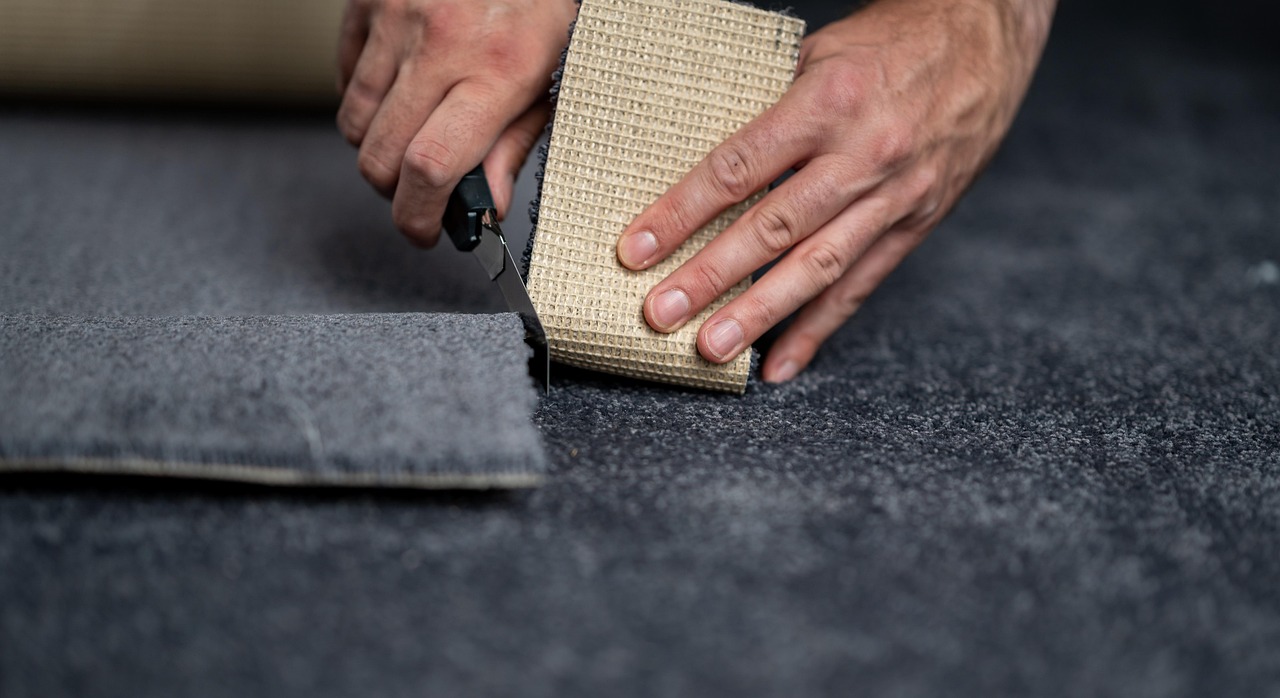
When it comes to flooring, the choices can feel overwhelming. From hardwood and luxury vinyl to tile and carpet, each material requires specific tools, preparation, and installation techniques. How you approach your flooring installation plays a major role in the final appearance, durability, and functionality of your space. While DIY flooring installation may seem appealing for its perceived cost savings and hands-on involvement, the comparison between professional vs. DIY flooring installation reveals important differences that directly affect long-term results.
At first glance, taking the do-it-yourself route can appear budget-friendly and rewarding. However, installation is where precision, technical knowledge, and experience matter most. Understanding the advantages and trade-offs involved in professional vs. DIY flooring installation allows homeowners to make confident decisions that protect both their investment and their home’s value.
Why flooring installation Is a bigger decision than you think
Choosing the right flooring goes beyond aesthetics. Performance, longevity, structural integrity, and even resale value are closely tied to how well the flooring is installed. The process itself requires detailed planning, accurate measurements, subfloor preparation, and proper finishing techniques.
Whether you're upgrading your living space or preparing your home for the market, flooring installation should never be treated as a minor project. Having a clear vision for your space, along with a realistic understanding of the pros and cons behind each installation approach, will guide you toward the solution that delivers lasting quality and peace of mind.
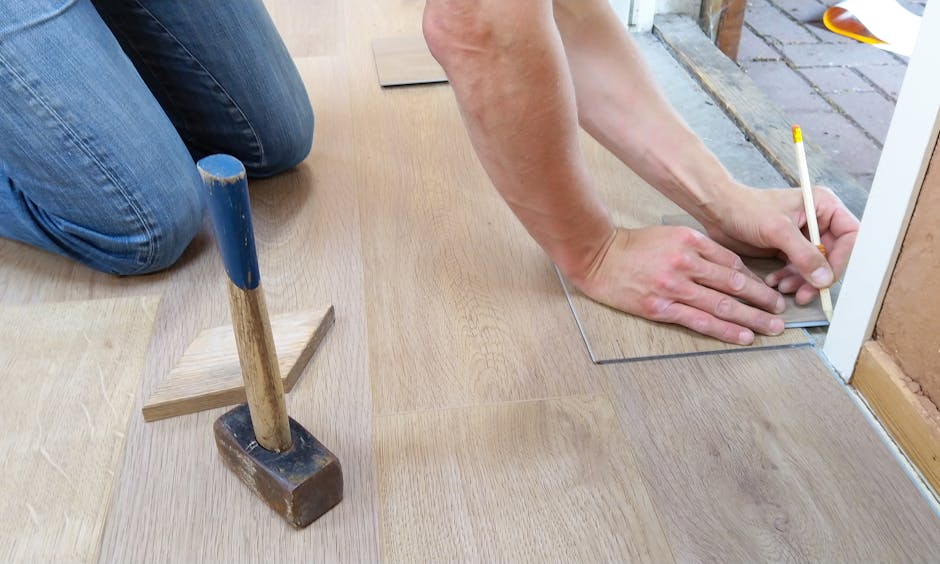
What DIY flooring installation really involves
Considering the DIY flooring installation route? First, it's vital to understand the process involved. DIY is more than just laying down tiles or planks; it involves a series of steps that require your time and skills.
Tools, preparation & skill requirements
Before beginning any DIY flooring installation, an extensive list of tools and materials is necessary. You will need:
- Basic tools: Essential items include tape measures, utility knives, saws, and drills.
- Specialty tools: Depending on your flooring type, you may need tools for specific applications, like linoleum cutters or laminate flooring installation kits.
- Preparation materials: Subfloor preparation may require underlayment, leveling compounds, or adhesives.
In addition to the right tools, having a basic grasp of flooring installation techniques is critical. Certain flooring types might require special attention to detail, like proper acclimatization for hardwood or ensuring tiles are laid straight and evenly spaced.
The appeal of DIY
The allure of DIY flooring installation often lies in the freedom it provides. You can control the design, customize the setup, and potentially save money on labor costs. Implementing your personal touch can also be incredibly rewarding as you create a space that reflects your style. Plus, there is a growing community around DIY, with numerous online resources and tutorials available that can help guide you throughout the process.
Common DIY challenges
However, the challenges with DIY flooring installation are real and varied. Issues such as improper measuring, uneven surfaces, and mistakes in cutting can lead to unforeseen complications. These problems can result in wasted materials, higher costs, and frustration. It is easy to become overwhelmed, especially if this is your first home improvement project.
The advantages of professional flooring installation
While DIY flooring installation can have its exciting elements, hiring a professional often yields more significant benefits in the long run.
Precision and technical expertise
One of the primary advantages of engaging professionals is the precision and technical know-how they bring to the table. Experienced installers understand the nuances of different flooring types, from tile to hardwood to vinyl, and can offer solutions that a DIY approach may overlook. They are adept at working within specifications and ensuring that your flooring is not only visually appealing but also installed according to manufacturer recommendations.
Time efficiency
Another point in favor of professional flooring installation is time efficiency. You might have the enthusiasm to tackle a DIY project over the weekend, but have you considered how long it might take? Professionals can often complete installations at a fraction of the time it would take a DIYer, saving you not only hours but also ensuring that the job is finished correctly the first time around.
Long-term cost savings
While it may seem counterintuitive, investing in professional installation can lead to long-term cost savings. Incorrect installation can cause issues that require repairs or replacements down the line. Professionals provide peace of mind that the job is done right, ensuring that you won’t encounter unexpected expenses later due to mistakes made during a DIY installation.
Warranty protection
Finally, most professional flooring installations come with warranties, giving you added peace of mind. This means that if any issues arise due to installation mistakes, you may be covered. In contrast, DIY flooring installation typically does not offer such protections. The financial risk of potential errors falls solely on your shoulders.
Comparing costs: Short-term savings vs. long-term value
When considering flooring, it’s essential to weigh the short-term savings of DIY against the long-term value of professional installation. While you may save money upfront by installing the flooring yourself, factoring in the potential for costly mistakes and the time investment necessary should tread carefully.
For example, if an improper installation leads to damage or the need to replace flooring earlier than expected, the initial savings can evaporate quickly. In many cases, hiring a professional can be a smart investment that maximizes your home’s value in the long run.
When DIY might work — and when It doesn’t
Although professional installation provides numerous benefits, there are situations where DIY flooring installation may be viable. If you have experience with home improvement projects and are comfortable using the necessary tools, smaller projects or simpler flooring options might be manageable.
For instance, peel-and-stick tiles or laminate flooring with click-lock systems can be reasonable choices for DIY jobs. However, more complex flooring types, such as hardwood or tile, typically require greater precision and expertise. If your project involves intricate designs or varying flooring types, it’s prudent to lean towards professional help.
Why professional installation delivers peace of mind
Renowned experts often stress the importance of professional installation, and for good reason. Opting for professionals not only guarantees quality workmanship but also reassures you that your investment in flooring will pay off. You’ll feel confidence in knowing that your home’s flooring is not just attractive, but durable and installed to specification.
Choosing the right flooring installation partner
If you reside in Columbus, Ohio, and are weighing your options, choosing the right team for your project makes all the difference. Research is important, look for established companies with strong local reputations, transparent pricing, and clear installation guarantees.
At Diamond Flooring & Carpet Installation, we specialize in flooring installation Columbus Ohio homeowners can rely on for precision, durability, and long-term value. Our team works with a wide range of flooring materials and follows manufacturer-recommended installation standards to ensure every project is completed correctly from the start. When comparing professional vs. DIY flooring installation, having experienced installers on your side significantly reduces the risk of costly mistakes and performance issues.
We also guide our customers through the entire process, from material selection to final installation, so they feel confident in every decision.
Making the smart investment
Whether you’re considering a DIY approach or hiring experts, understanding the full picture of professional vs. DIY flooring installation is essential. While DIY may appear cost-effective upfront, it often requires more time, specialized tools, and technical skill than many homeowners anticipate.
Professional installation offers consistency, warranty protection, and peace of mind that your flooring is built to last. The right craftsmanship not only enhances the visual appeal of your home but also protects its structural integrity and long-term value.
Choosing how to approach flooring installation is a decision that shapes your home for years to come. By working with experienced professionals, you ensure your investment delivers both beauty and performance from day one.