When homeowners renovate, flooring is often one of the first details buyers notice. A worn, dated floor can make an otherwise well-kept home feel older, while attractive, durable flooring can make rooms feel finished and cared for. That is why choosing the best flooring for home value requires more than picking the material you like most. You also need to consider durability, maintenance, design, cost, and how well the flooring fits the way your home is used.
There is no single material that is automatically the best choice for every property. The right decision depends on the room, your budget, the condition of the existing floor, and the expectations of future buyers. Looking at those factors together can help you invest in flooring that improves your home now while remaining appealing if you decide to sell later.
What makes flooring a good investment?
The best flooring for home value usually combines a polished appearance with practical performance. Buyers tend to notice floors because they cover such a large portion of the visible space. Scratches, stains, worn carpet, uneven surfaces, and outdated materials can affect how a home is perceived, even when other features are in good condition.
That does not mean the most expensive flooring is always the smartest investment. A premium material may not make sense in a room that experiences heavy moisture or constant traffic. Likewise, installing inexpensive flooring simply because it costs less upfront can be disappointing if it wears out quickly.
Instead, consider how the flooring will perform over time. A durable material that complements the home's style and is installed correctly can provide value through everyday use as well as future resale appeal.
Hardwood: A timeless choice
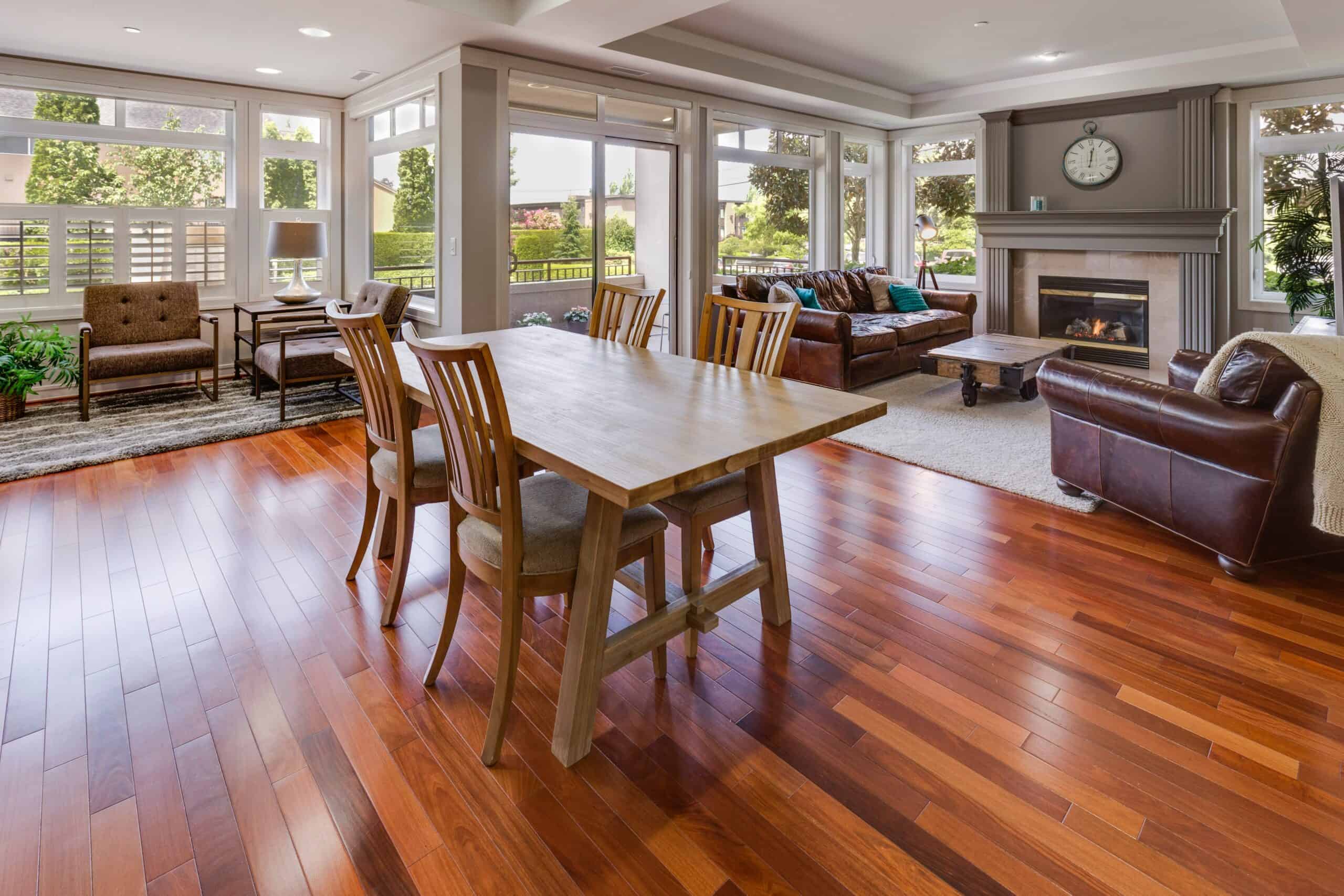
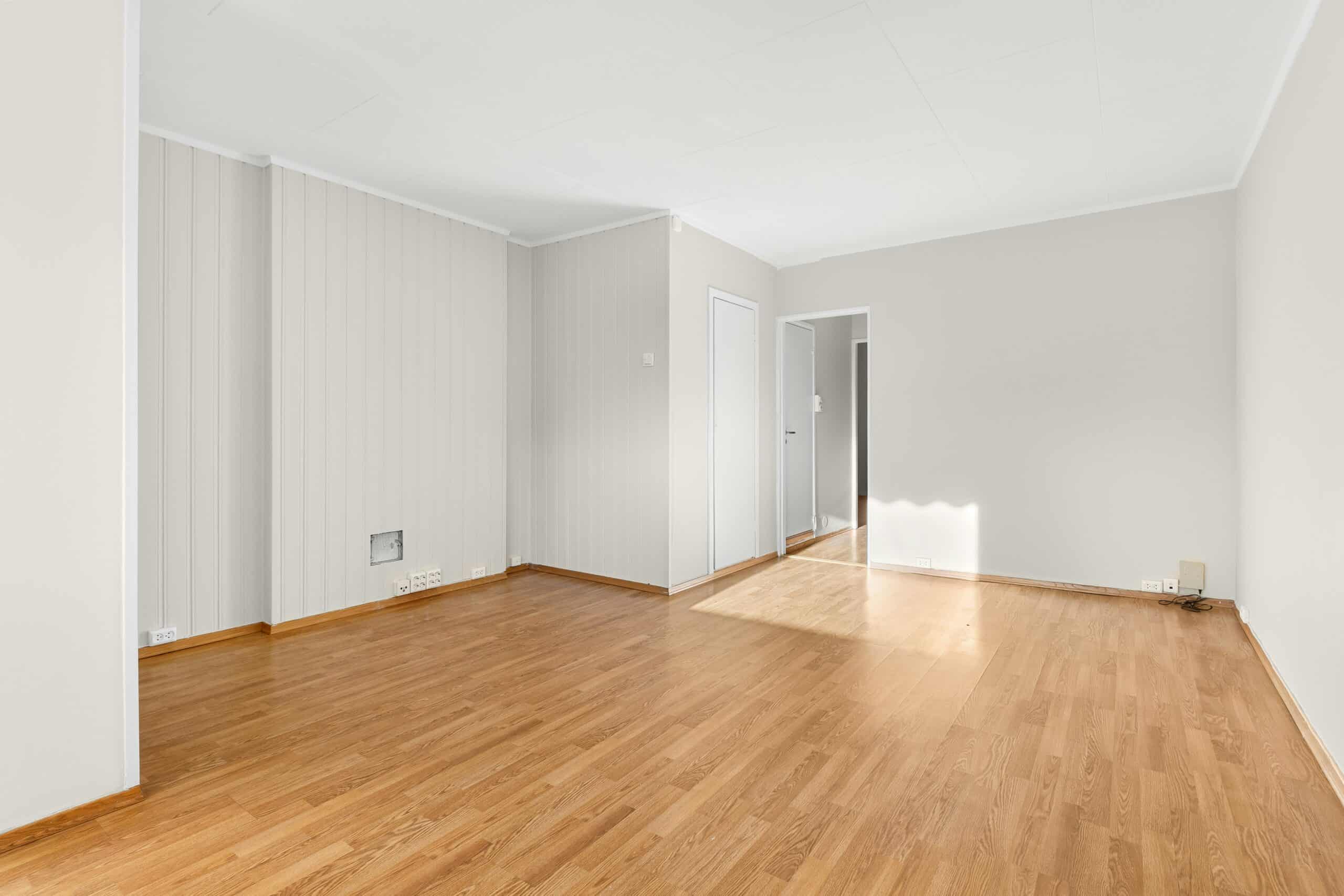
Hardwood is frequently associated with the best flooring for home value because of its classic appearance and versatility. Wood floors can complement traditional, contemporary, and transitional interiors, making them a flexible choice when homeowners want a finish that will not quickly feel dated.
Another advantage is the visual continuity hardwood can create. Using a consistent flooring style across connected living areas can make a home feel cohesive and thoughtfully designed. Hardwood can also be maintained through regular cleaning and, depending on the product and condition, refinishing over time.
However, hardwood is not automatically the right choice for every room. Moisture-prone spaces require careful consideration, and the initial material and installation costs can be higher than some alternatives. Before choosing it throughout the house, think about where it will provide the greatest combination of appearance and practical performance.
Luxury vinyl plank: Practical appeal
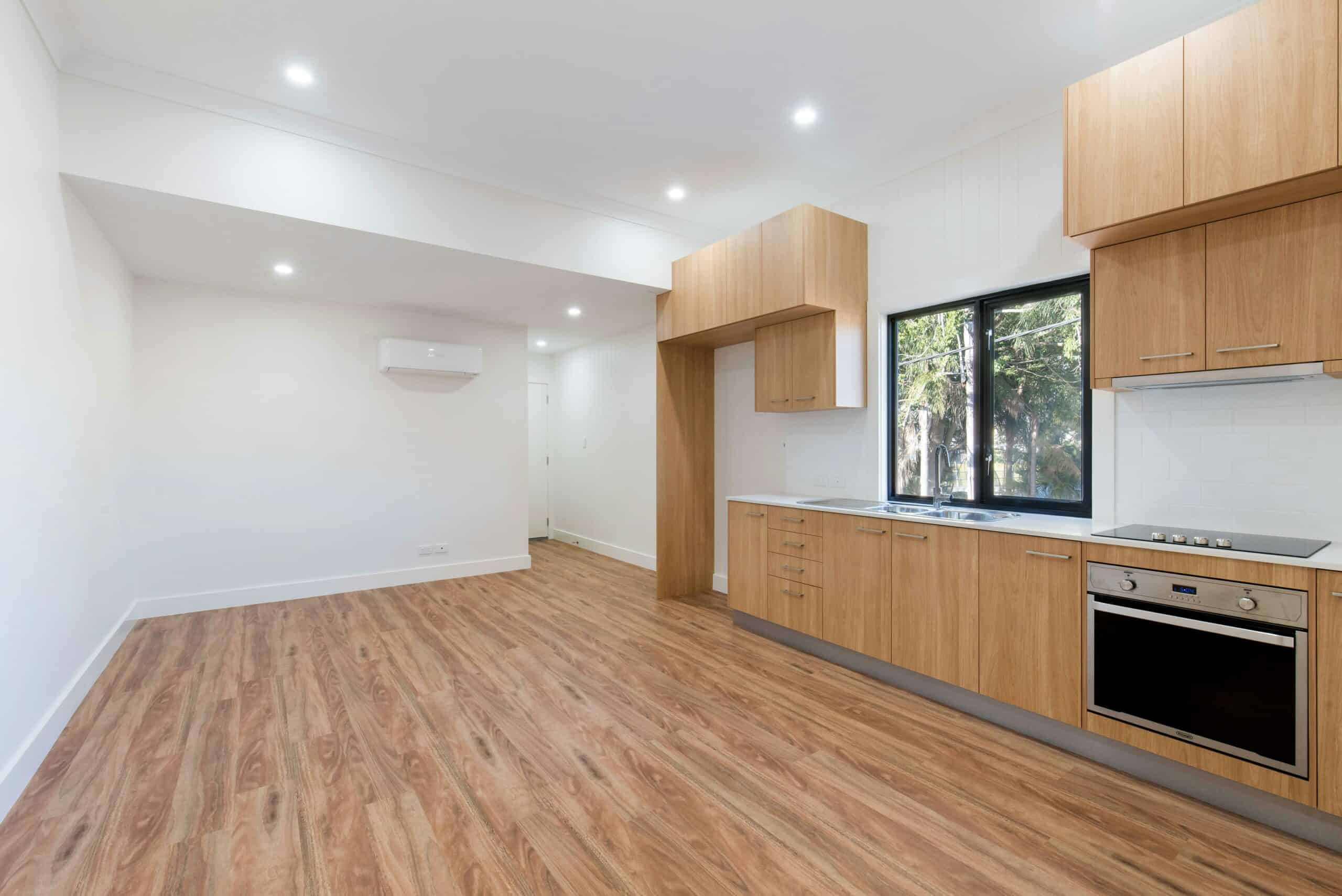
For homeowners comparing the best flooring for home value, luxury vinyl plank, or LVP, deserves serious consideration. LVP can provide the visual character of wood while offering a durable surface suited to busy areas. Its resistance to everyday wear and moisture makes it a practical option for households that want attractive flooring without the same maintenance considerations associated with some natural materials.
Design variety is another advantage. LVP is available in different colors, textures, and wood-inspired appearances, so homeowners can choose a look that works with existing cabinets, furniture, walls, and overall design.
LVP can be particularly appealing when the goal is to balance appearance, performance, and budget. Rather than choosing flooring based only on resale expectations, consider whether the material will work well for your household for years before a future sale becomes relevant.
Carpet still has a place
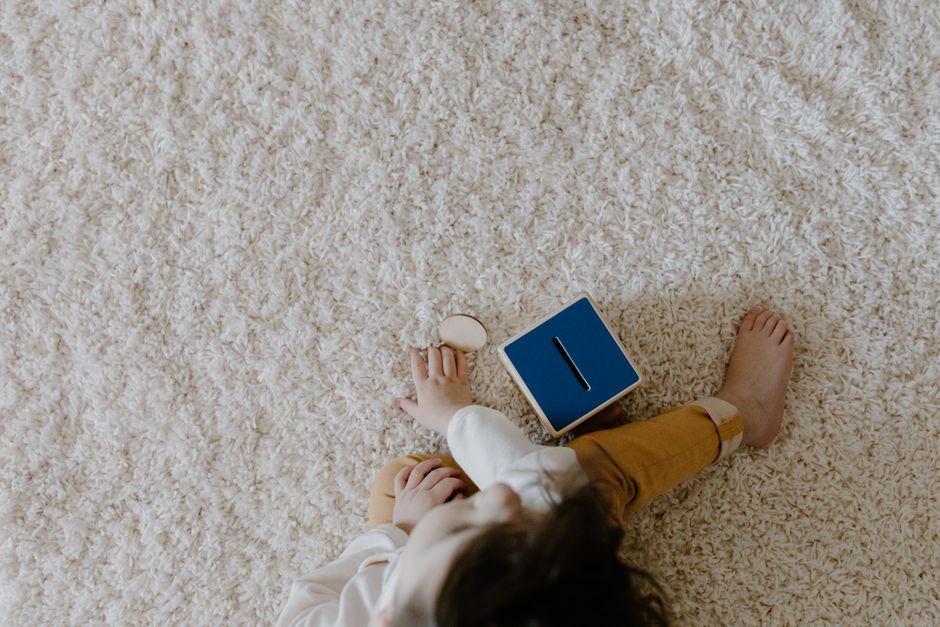
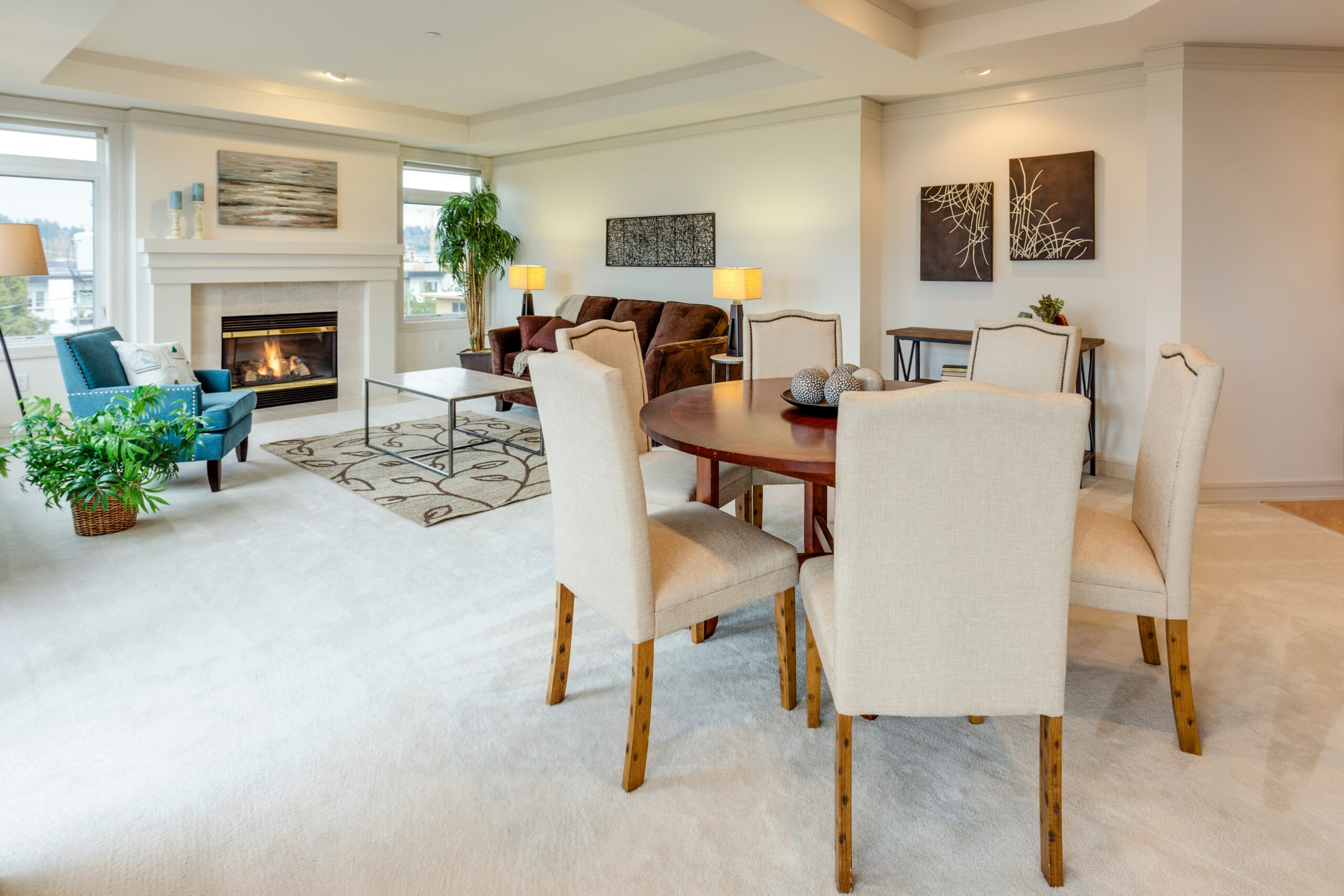
When discussing the best flooring for home value, carpet should not be dismissed. While preferences vary among buyers, carpet can be a strong choice in bedrooms, family rooms, and other spaces where comfort matters. Its softer surface can create a warmer, more inviting atmosphere than hard flooring.
The key is selecting carpet that fits the room and household. Consider traffic, pets, children, maintenance expectations, and the color of the surrounding décor. Neutral or versatile shades can make it easier to coordinate with changing furniture and paint colors.
Condition matters just as much as material. Even good-quality carpet can hurt a home's presentation if it is heavily stained, flattened, damaged, or visibly outdated. If existing carpet has reached the end of its useful life, replacing it before listing a property may make the space feel cleaner and better maintained.
What about tile?
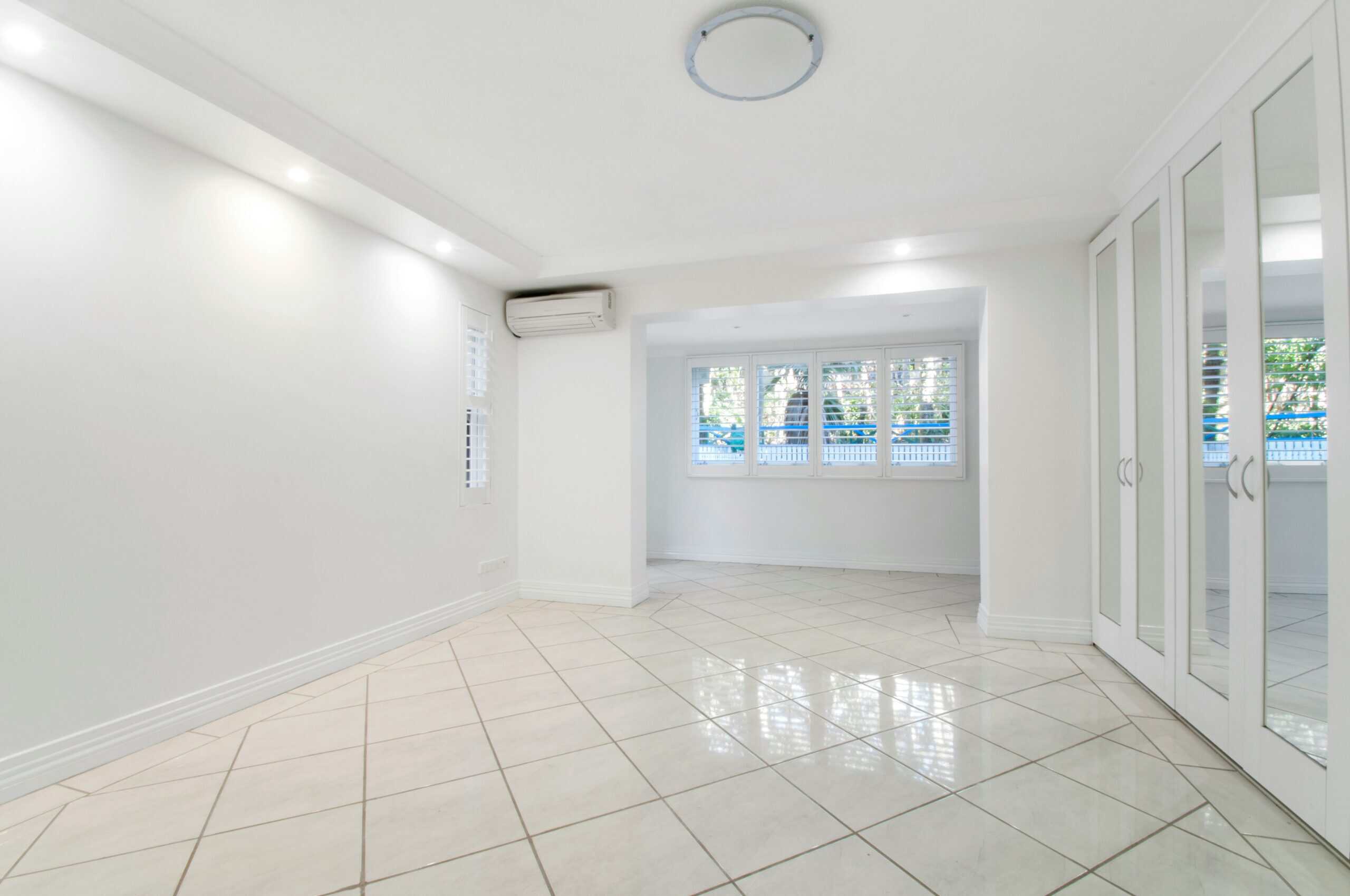
Tile can also contribute to the best flooring for home value when it is selected for the right space. Its durability and moisture resistance make it a natural option for areas such as bathrooms, kitchens, and other spaces where spills are common.
Ceramic and porcelain tile offer a wide range of colors, patterns, sizes, and finishes. That flexibility allows homeowners to create anything from a simple neutral surface to a more distinctive design.
Still, installation quality is critical. Poorly prepared surfaces, uneven tiles, or neglected grout can undermine the appearance of an otherwise attractive material. The flooring should suit both the room and the home's overall design rather than looking like an isolated upgrade.
Match the flooring to the room
The best flooring for home value is not necessarily the same material throughout the entire property. Think about how each room functions before making a decision.
Bedrooms may benefit from the comfort of carpet or the clean look of wood-inspired flooring. Kitchens and entryways typically need surfaces that can handle frequent traffic and spills. Living areas offer more flexibility, so the decision can focus on design continuity, comfort, and durability.
You should also consider the existing architecture and finishes. Flooring that works with the home's cabinets, doors, wall colors, and furniture can create a more cohesive result. A beautiful material can still feel out of place if its style clashes with everything around it.
Installation matters as much as the material
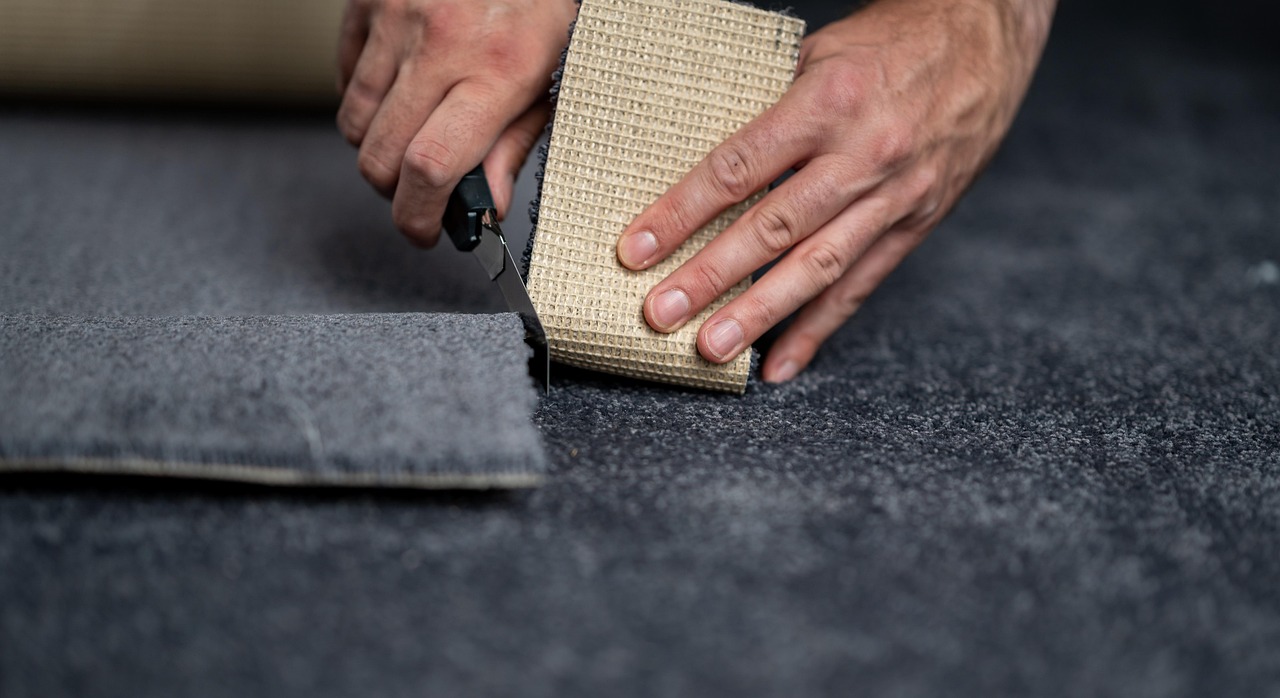
Choosing the best flooring for home value is only part of the project. Installation can determine how the finished floor looks, performs, and holds up over time. Accurate measurements, proper removal of old flooring, and preparation of the subfloor all matter before the new material is installed.
This is where working with an experienced flooring company can make a meaningful difference. Professional installers can help identify issues that may not be obvious when you are simply comparing samples, from an uneven subfloor to a flooring choice that may not suit a particular room.
For Columbus homeowners, Diamond Carpet & Flooring Installation takes a hands-on approach from selection through installation. Diamond offers free in-home consultations and brings flooring samples directly to your home, making it easier to compare materials in the actual space rather than relying only on showroom lighting or small samples. Their installation process includes precise measurements, removal of existing flooring when needed, subfloor inspection and preparation, professional installation, and a final inspection and cleanup.
If you are planning flooring installation Columbus Ohio, Diamond can help you evaluate your options based on your home's layout, style, needs, and budget before moving forward with the installation. That combination of personalized guidance and attention to the installation process is especially valuable when you are making a flooring upgrade with long-term appeal in mind.
Think beyond resale value
The best flooring for home value should also improve the experience of living in your home. A floor that looks attractive but does not fit your lifestyle may not feel like a good investment six months later.
Consider maintenance, comfort, traffic, moisture, pets, children, and how long you expect to remain in the property. A practical floor that you enjoy every day can provide value long before a future buyer ever walks through the door.
If resale is a priority, aim for materials and designs that are broadly appealing without making your home feel generic. Neutral colors, consistent transitions, quality installation, and flooring that suits each room can help create a polished impression.
Making the final decision
Ultimately, the best flooring for home value depends on the balance between appearance, durability, cost, maintenance, and the needs of your property. Hardwood can offer timeless character, LVP can deliver practical performance and versatile design, carpet can add comfort, and tile can be especially useful in moisture-prone areas.
Rather than choosing a material because it is currently popular, evaluate how it will function in your home and how well it fits the rest of the space. Good flooring should look intentional, perform reliably, and be installed on a properly prepared surface.
With the right material and professional installation, your flooring upgrade can make your home feel more comfortable and complete while supporting its long-term appeal. Taking the time to compare options before committing is one of the smartest ways to make a flooring project work for both your home today and your plans for tomorrow. The best flooring for home value is ultimately the option that makes sense for your property, your lifestyle, and the buyers you may want to attract in the future.