Flooring can look worn long before it reaches the end of its useful life. Grit ground in by shoes, spills left to sit, and furniture dragged across a room can all dull or damage a surface. A few consistent flooring maintenance tips help you protect your investment and keep every room looking cared for.
Why flooring maintenance tips matter
Your floors handle daily foot traffic, furniture, pets, and changing indoor conditions. Regular care limits the impact of those everyday stresses, helping you avoid preventable scratches, stains, and moisture damage.
Good maintenance also preserves appearance and can extend the life of your flooring. A small routine, such as sweeping regularly and cleaning spills promptly, may prevent the need for costly repairs or early replacement. Whether you’re caring for existing floors or comparing flooring installation Columbus Ohio options for a future project, it’s useful to understand the care different materials require.
These flooring maintenance tips don’t need to take much time. The key is matching your cleaning method to the flooring type and tending to small issues before they become larger ones.
Everyday habits that keep floors looking new
Simple habits are often the most effective. They keep dirt from building up and reduce the chance that routine activity will leave permanent marks.
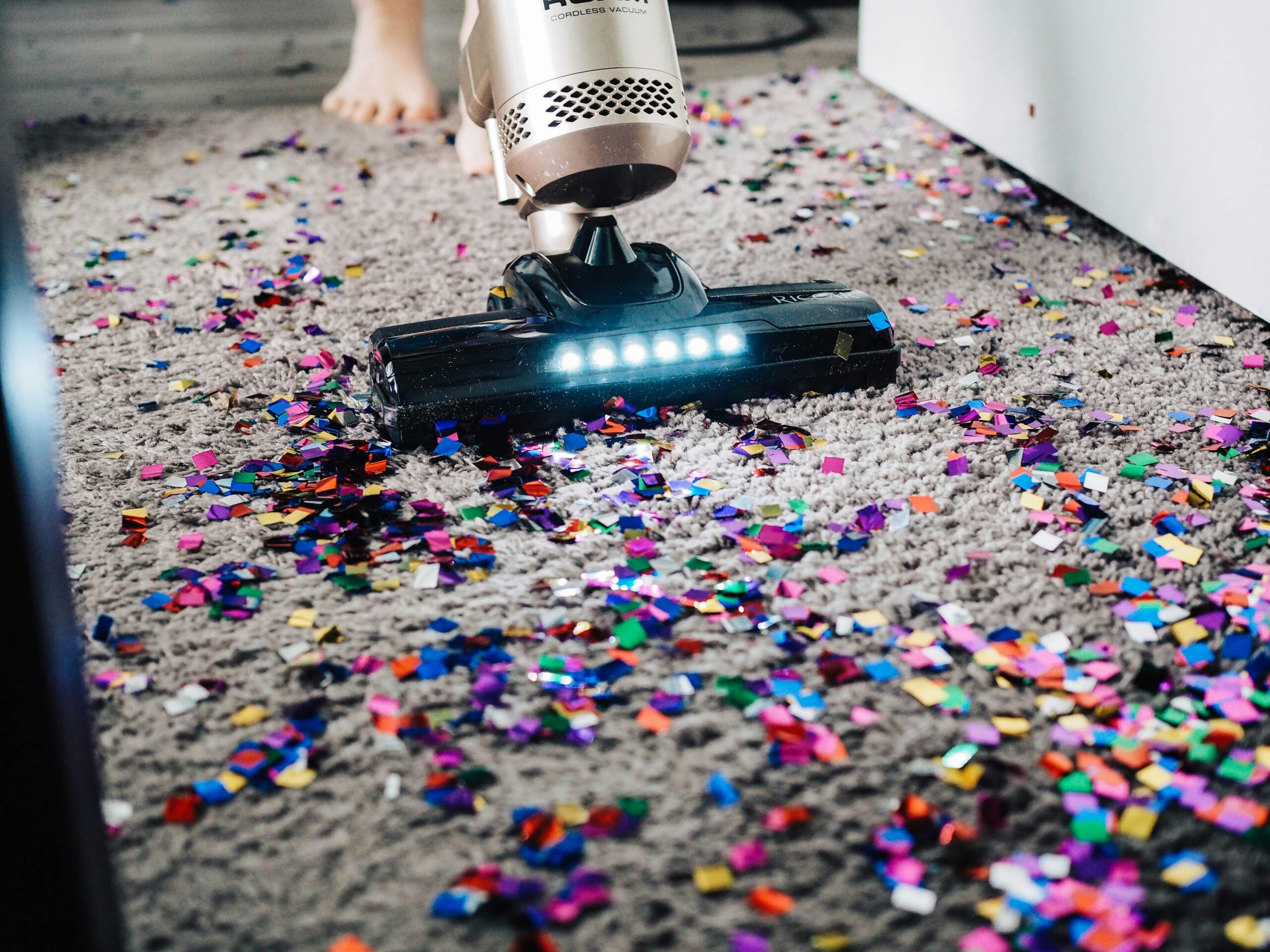
- Sweep, dust, or vacuum regularly. Dirt and grit can act like sandpaper under shoes. Use a soft broom, microfiber dust mop, or vacuum with a setting appropriate for your floor. Avoid a beater bar on surfaces that could be scratched.
- Wipe up spills promptly. Blot liquids with a clean cloth rather than letting them sit. This matters especially for wood, laminate, and other materials that can be damaged by moisture.
- Use doormats and remove shoes indoors. Mats at entrances catch grit, water, and road salt before they reach your floors. A no-shoes habit can further reduce tracked-in debris.
- Add felt pads under furniture. Place them beneath chair and table legs, and check them regularly for wear or trapped grit. Lift furniture when moving it instead of dragging it.
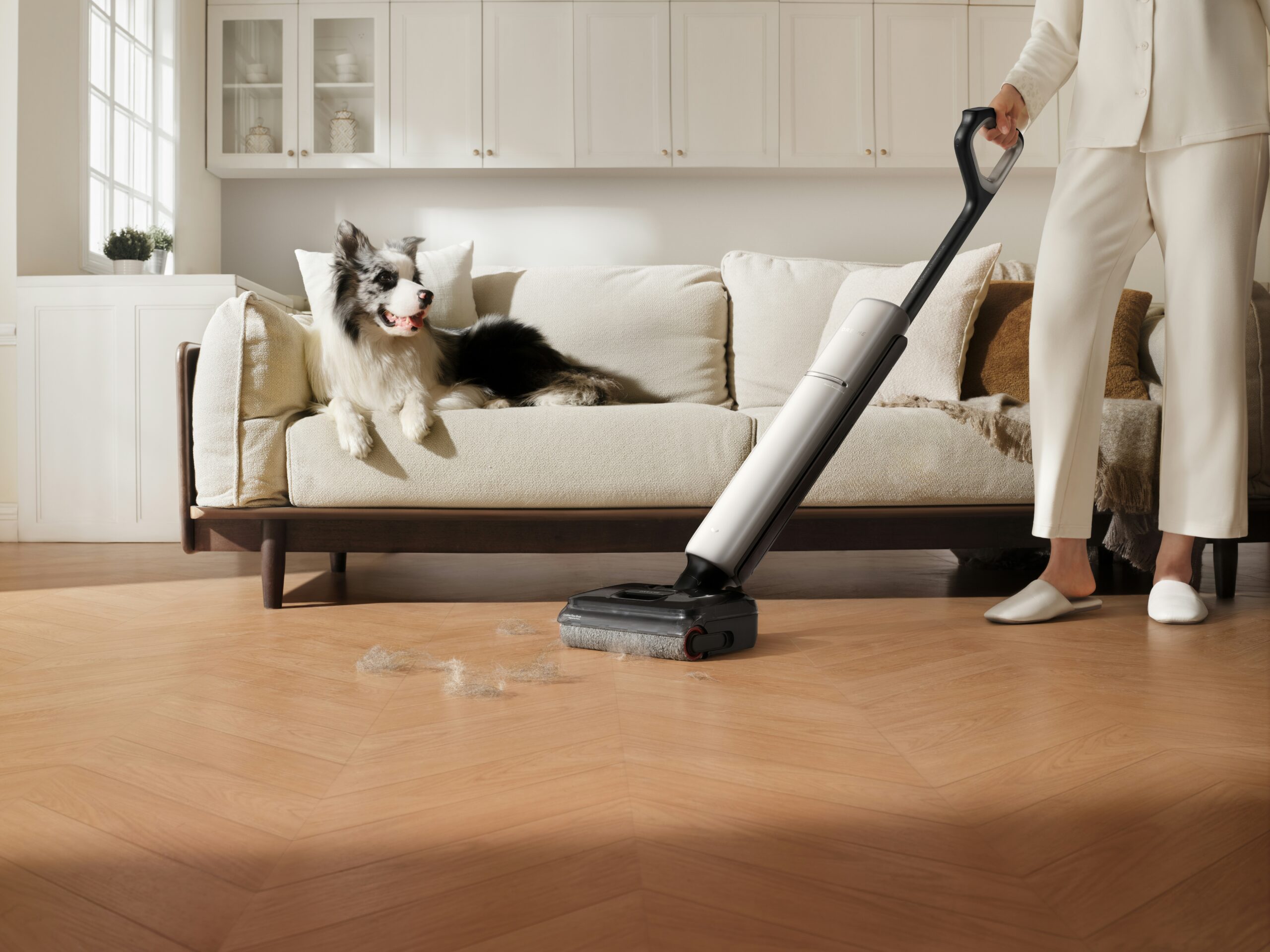
These everyday flooring maintenance tips are easier to keep up with when you put cleaning tools near the places you use them, such as a dust mop by the kitchen or a mat beside the main entrance.
Cleaning tips for different flooring types
There is no single cleaner or method that suits every floor. Check your flooring manufacturer’s instructions before using a new product, and test it in an inconspicuous spot if you’re unsure.
Hardwood floors
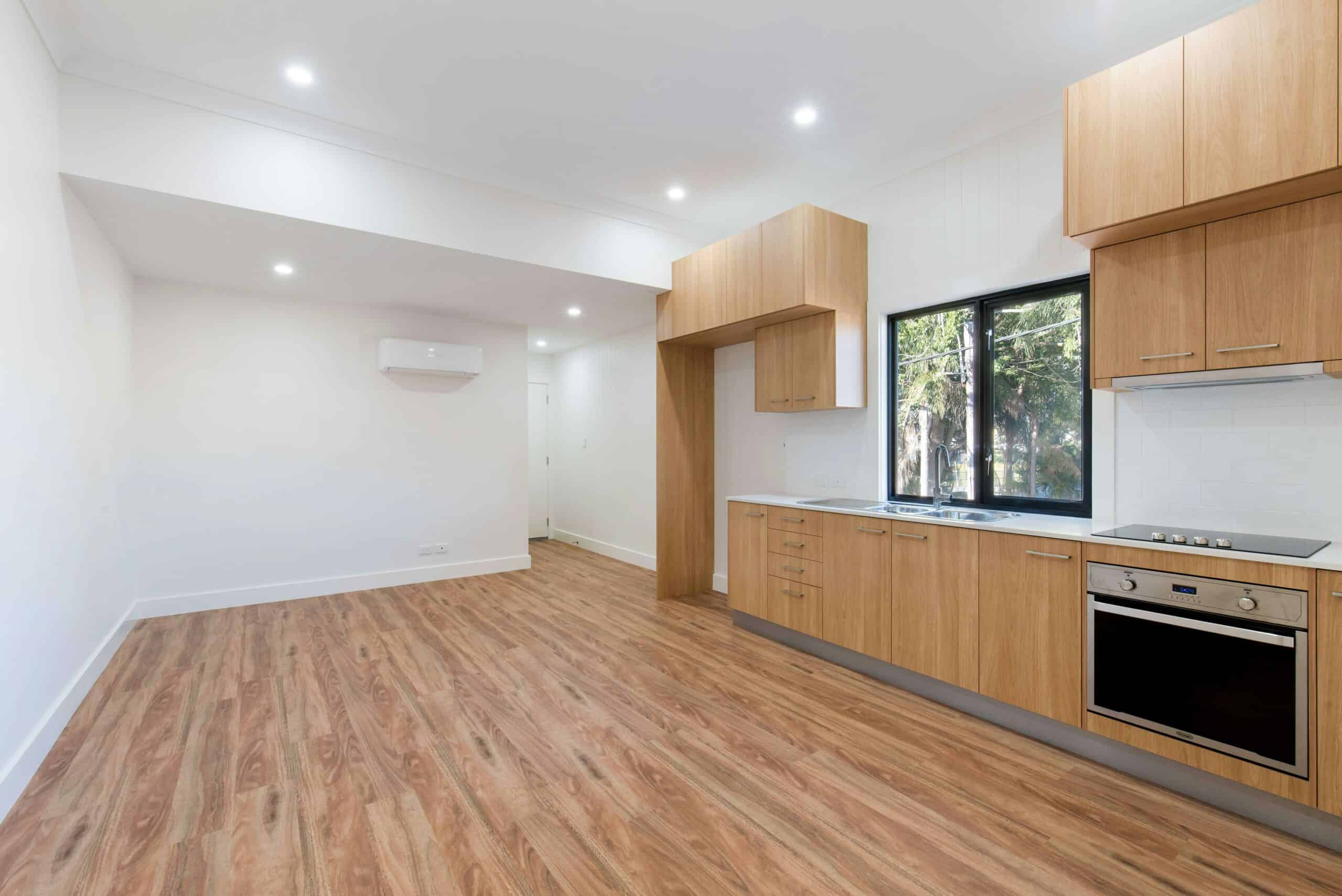
Use a cleaner specifically formulated for finished wood, following the label directions. Sweep or dust first so particles won’t scratch the surface during cleaning. Avoid excess water, steam cleaning unless the manufacturer approves it, and harsh chemicals that can dull or damage the finish.
A lightly damp mop may be suitable for some hardwood floors, but it should never leave standing water behind. If you notice a spill, dry it promptly. These flooring maintenance tips help protect both the finish and the wood beneath it.
Tile and grout
Choose a tile cleaner suited to your tile material and finish. Some natural stones, for example, require products that won’t etch or discolor the surface. For routine cleaning, remove loose dirt first, then wash with the recommended solution.
Grout can collect grime even when the tile looks clean. Use a grout-safe brush and cleaner, and avoid aggressive scrubbing tools that could wear the grout away. Reseal grout when the manufacturer recommends it or when water no longer beads on the surface.
Laminate and vinyl
Use a damp, not soaking, mop and a cleaner approved for your specific flooring. Too much water can seep into seams or edges, so wring out the mop well and dry any pooling promptly. Avoid abrasive pads, waxes, and cleaners that leave a residue or aren’t approved by the manufacturer.
For these materials, gentle, regular care is generally better than occasional heavy scrubbing. Keep the routine simple, and don’t assume that a product suitable for tile or wood is also suitable for laminate or vinyl.
Carpet
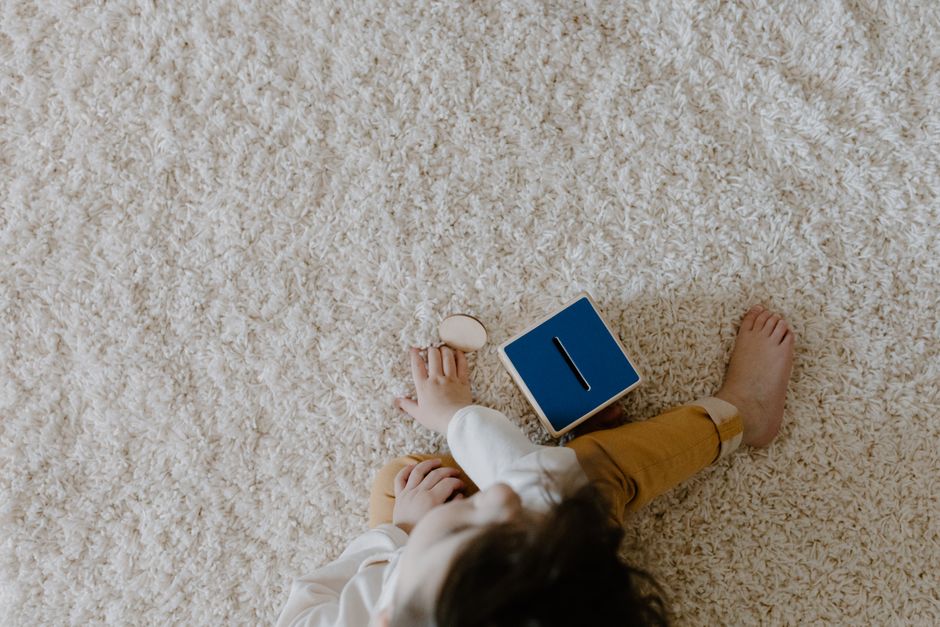
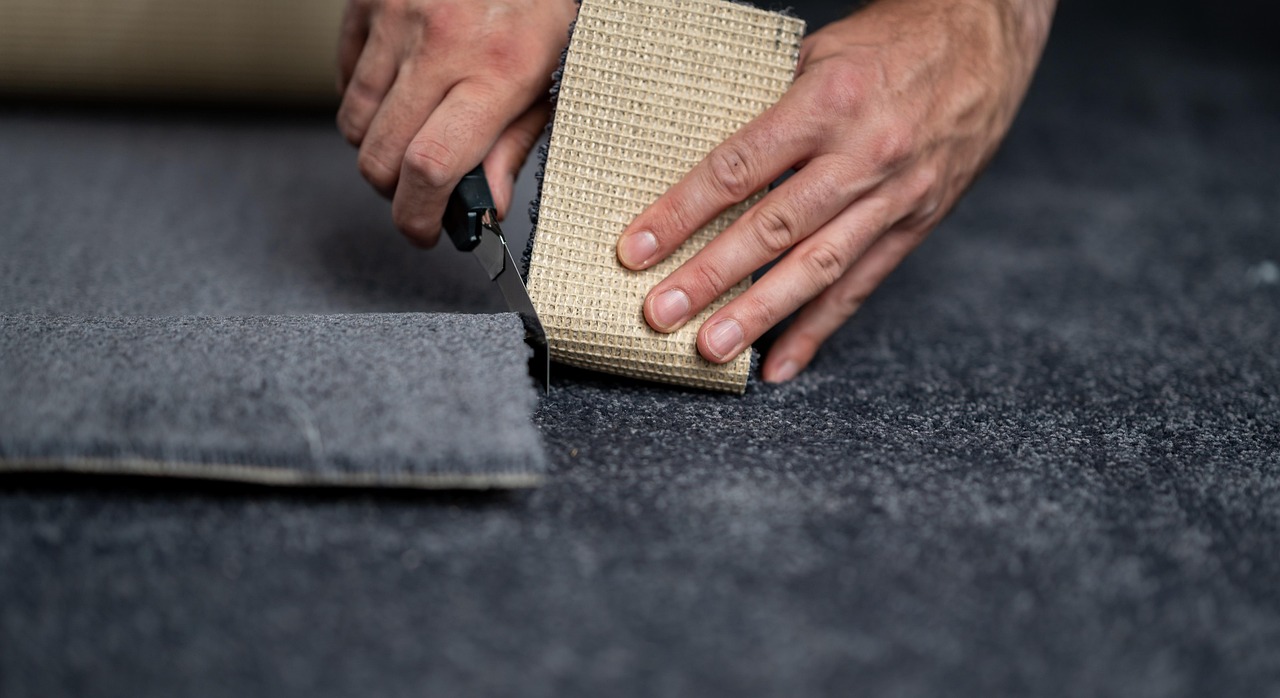
Vacuum regularly, paying extra attention to entrances and frequently used paths. Address stains quickly by blotting rather than rubbing, and use a carpet-cleaning product that is compatible with your carpet. Follow the product directions and test it on a hidden area first.
Periodic deep cleaning can help remove embedded soil that routine vacuuming misses. The right interval depends on your household, carpet type, and manufacturer guidance. If you’re unsure which cleaning method is safe, ask a carpet care professional.
Prevent scratches, dents, and other damage
Cleaning removes dirt, but prevention protects floors from the damage that dirt and daily use can cause. Place protective pads beneath furniture and use appropriate lifting techniques when shifting heavy items. For appliances or large furniture, use a suitable moving aid rather than dragging them across the floor.
Sunlight, moisture, and temperature changes can also affect flooring. Close blinds or curtains during periods of intense sun to reduce fading, and clean up water near sinks, doors, and windows. Keep indoor humidity within the range recommended for your flooring, particularly if you have wood. These flooring maintenance tips can help limit fading, swelling, gaps, and other changes caused by the indoor environment.
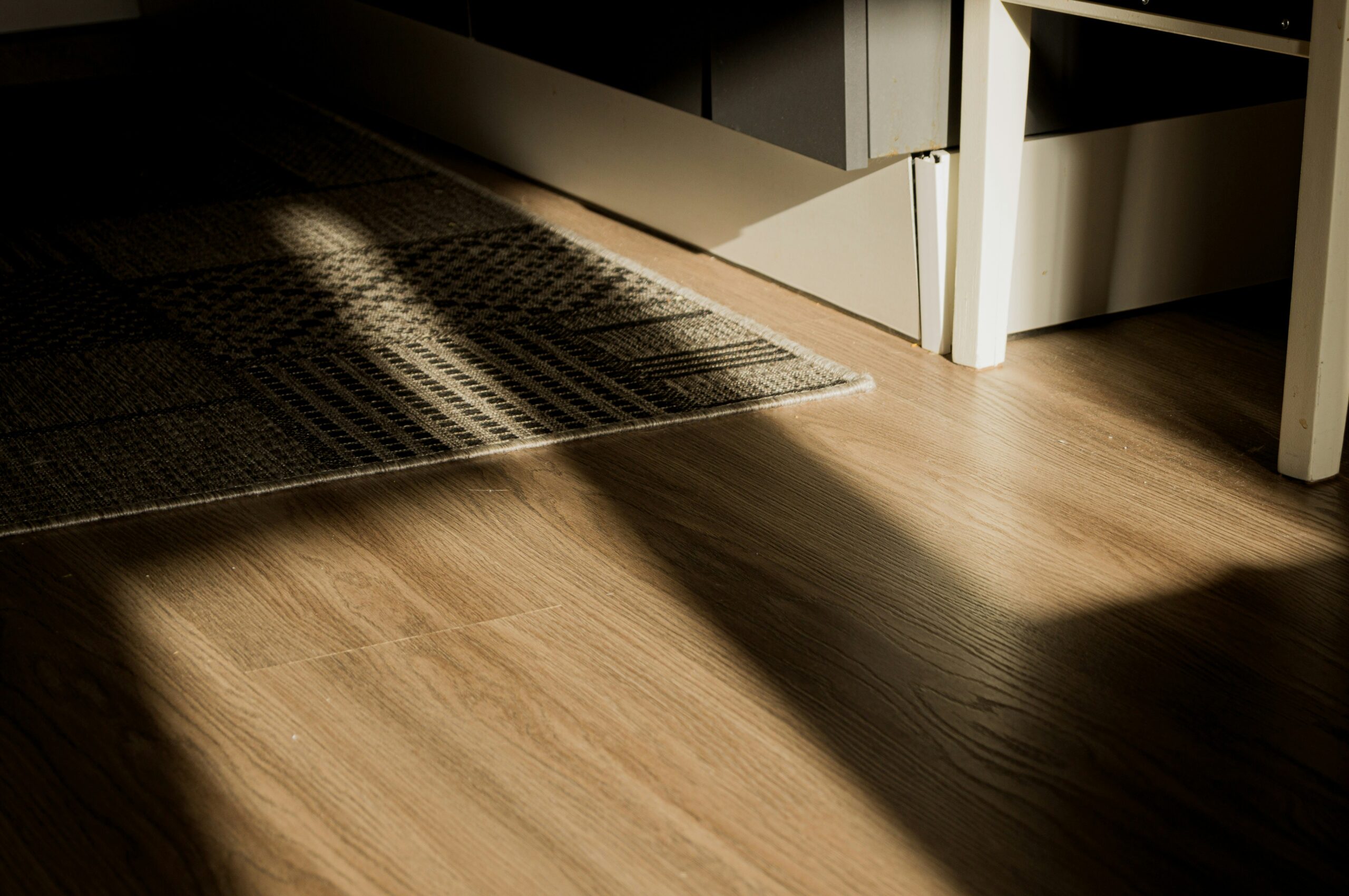
Rugs or runners in entryways and high-traffic areas help catch grit and soften everyday wear. Choose rugs with backing that won’t discolor or stick to your floor, and lift them periodically to clean underneath. That small step prevents trapped dirt and moisture from causing damage.
Build a simple floor maintenance routine
A manageable routine makes it easier to care for your floors consistently. You can adjust the schedule based on foot traffic, pets, children, and the flooring material.
- Daily: Clear visible debris and wipe up spills.
- Weekly: Sweep, dust, or vacuum thoroughly; damp-mop hard floors if appropriate.
- Seasonally: Clean beneath movable rugs and furniture, inspect entry mats and felt pads, and check for loose, cracked, or damaged areas.
Always check the manufacturer’s care instructions before trying a new cleaner or tool. Product labels can also help you avoid treatments that leave residue or affect a finish. Keeping a note of the flooring type and approved cleaning products can save time when you need to restock.
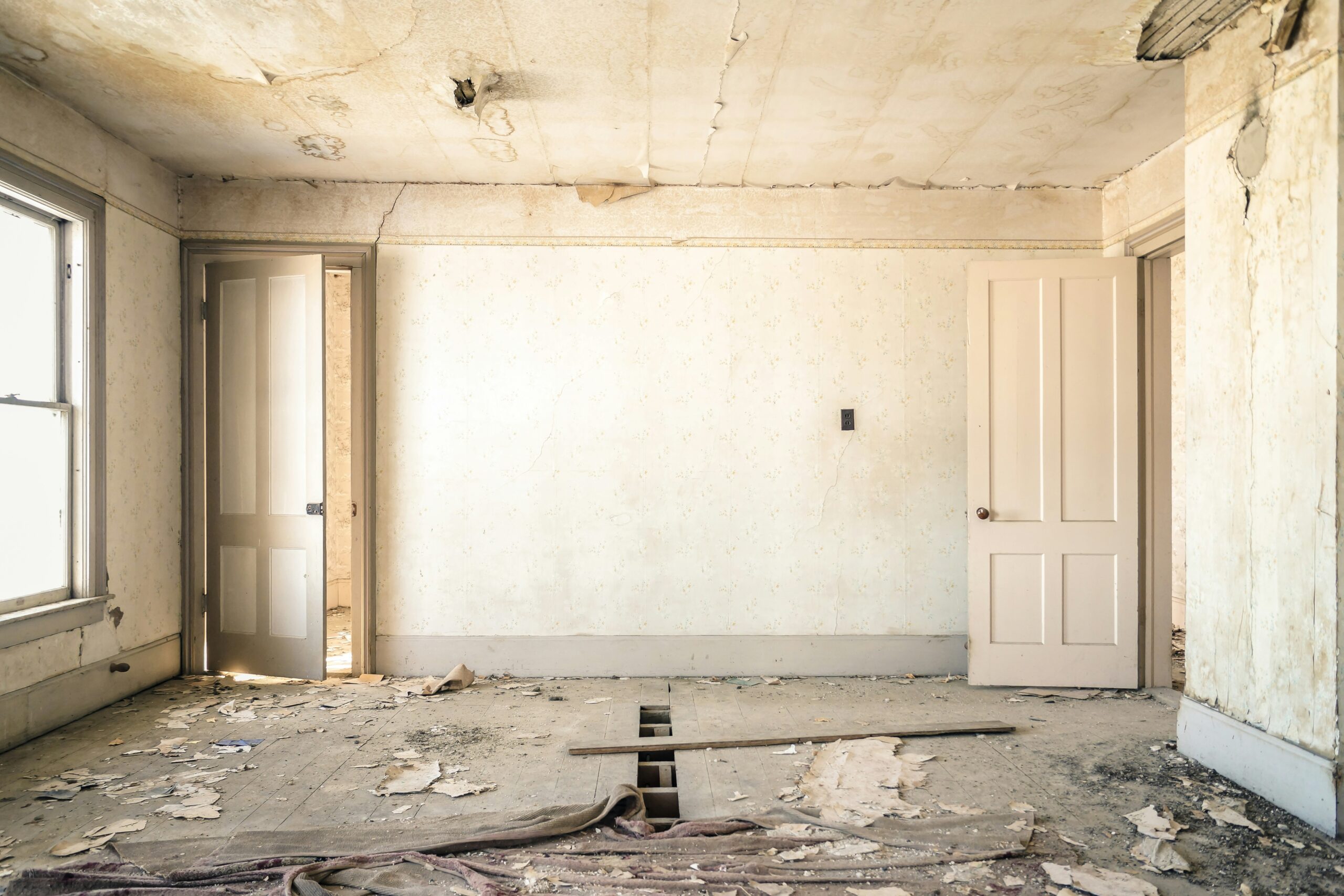
Some issues call for professional help. Persistent discoloration, loose boards or tiles, damaged grout, and stains that won’t lift may need more than routine cleaning. A flooring professional can assess the problem and recommend a repair that fits the material.
The most effective flooring maintenance tips are the ones you can follow regularly. Keep grit under control, respond to spills quickly, and use products suited to your floors. With a simple routine and a little attention, you can preserve your flooring’s appearance and enjoy it for years.