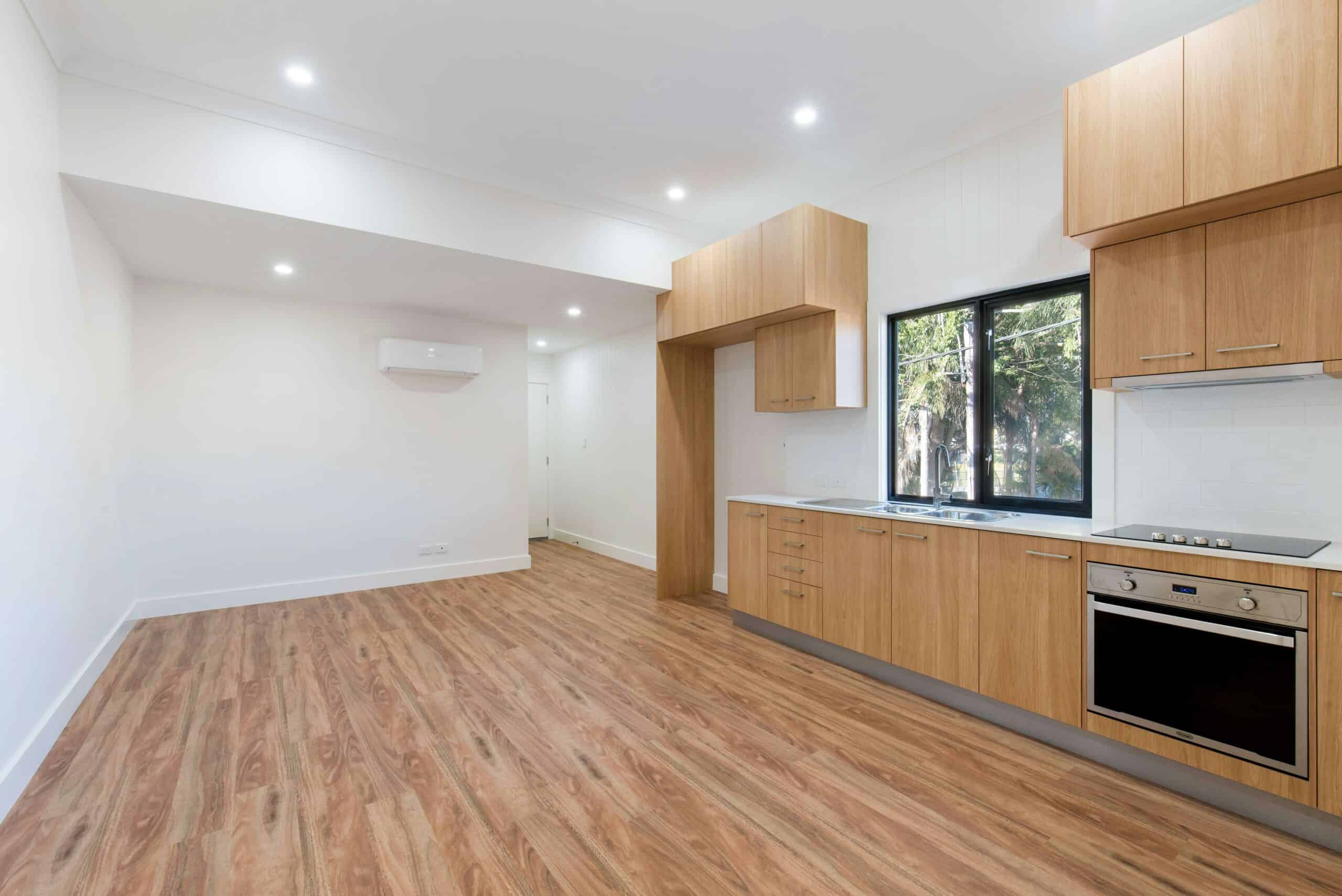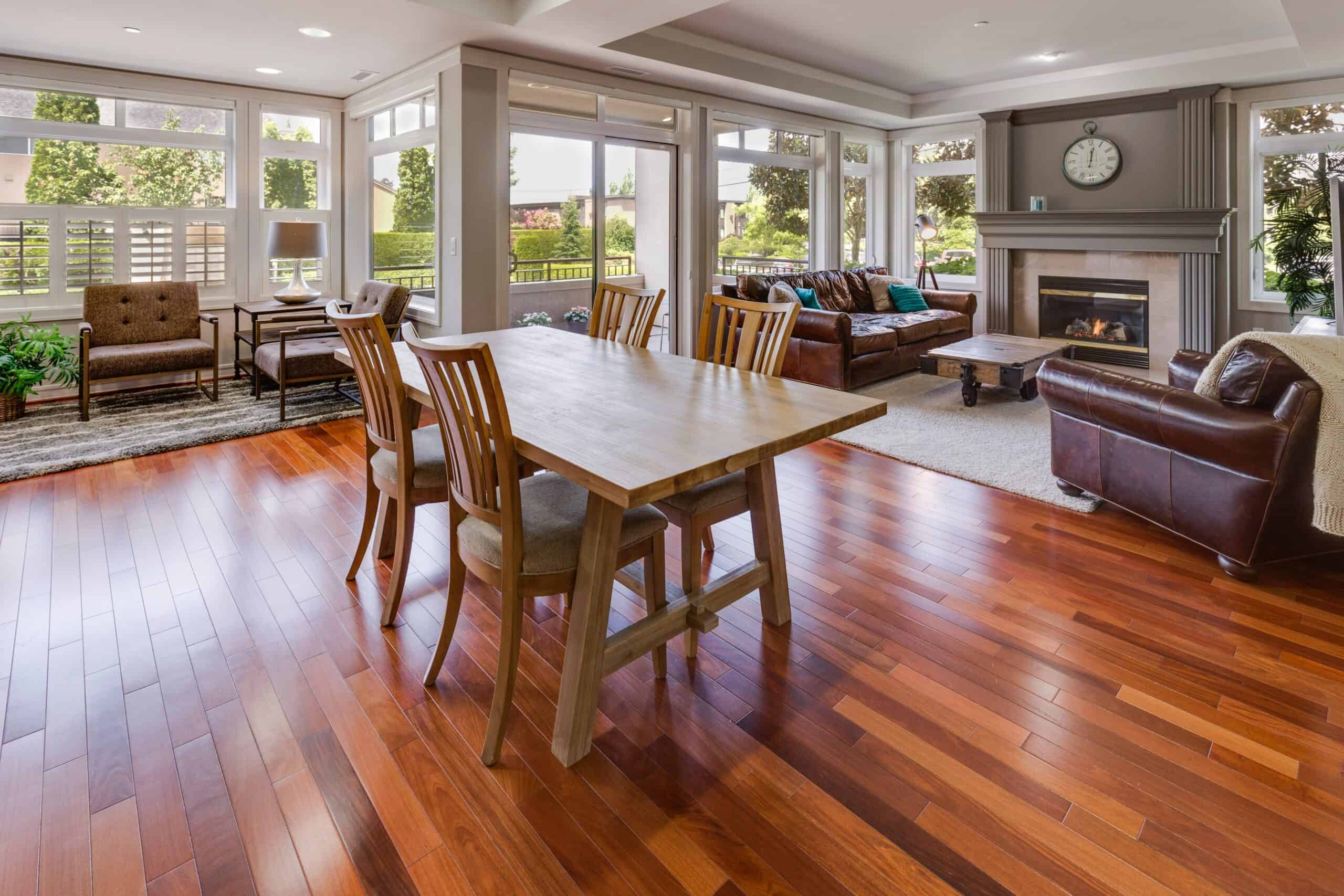
Freshly delivered hardwood planks can look completely ready to nail or glue down while still holding excess moisture from a warehouse or delivery truck. Giving wood time to reach equilibrium with your living space protects your investment, yet relying strictly on a set number of days on the calendar often leads to preventable failures. Determining the ideal hardwood flooring acclimation time depends on the specific wood species, the moisture state of your subfloor, and how consistently your home maintains normal temperature and humidity.
Understanding how moisture moves through wood, and how installers measure readiness, prevents seasonal gapping, cupping, and costly post-installation repairs.
Understanding the science behind wood equilibrium
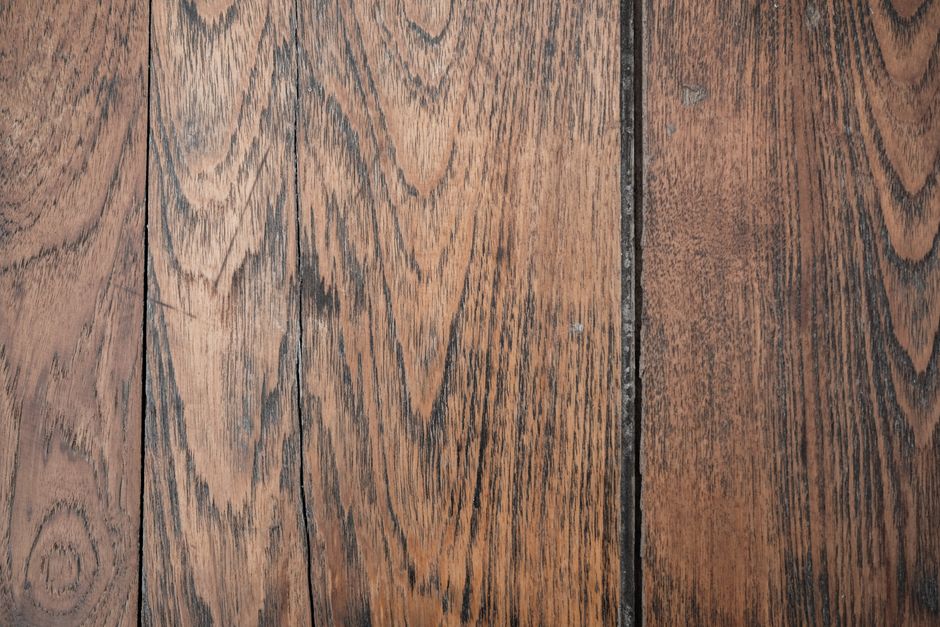
Wood is a hygroscopic material, meaning it naturally absorbs and releases moisture from the surrounding air until it reaches Equilibrium Moisture Content (EMC). As moisture enters or leaves the fibers, planks expand or contract across their width.
Why a calendar countdown falls short
Many homeowners hear a generic rule of thumb, such as waiting three to five days after delivery. While that timeframe works in certain scenarios, a fixed schedule ignores where the wood came from and what your indoor air is doing. Respecting the true hardwood flooring acclimation time means waiting until diagnostic measurements prove the boards have stabilized, rather than installing simply because a weekend has passed.
Acclimation versus indoor storage
Stacking boxes inside an unheated house, a damp basement, or a garage is storage, not acclimation. If the room does not reflect the temperature and relative humidity your family will live in year-round, the planks will adjust to the wrong baseline. Once the HVAC system turns on, the boards will shift again. Proper hardwood flooring acclimation time only begins once your indoor climate mirrors everyday living conditions.
Structural consequences of installing too early
When wood is fastened down before reaching equilibrium with the subfloor, subsequent dimensional changes create mechanical stress:
- Gapping: Boards installed with high moisture content shrink as they dry out during winter heating months, leaving unsightly spaces between planks.
- Cupping and crowning: Moisture imbalances between the bottom and top faces of a plank cause edges to curl upward (cupping) or the center to arch (crowning).
- Buckling: Extreme expansion forces tightly fitted boards upward off the subfloor, breaking fasteners or adhesives.
Core variables that shape hardwood flooring acclimation time
Every remodeling project presents a unique combination of materials and environmental conditions. Four primary variables dictate how long your planks need before installation starts.
1. Solid planks versus engineered construction
Solid hardwood consists of a single milled piece of timber and reacts noticeably to humidity shifts across its width. Engineered hardwood features a real wood veneer bonded over cross-layered plywood or high-density fiberboard, giving it greater dimensional stability. However, engineered planks still contain natural wood fibers; assuming they require zero hardwood flooring acclimation time can void manufacturer warranties if relative humidity falls outside approved limits.
2. Wood species, plank width, and thickness
Dense exotic species like Brazilian cherry or hickory exchange moisture more slowly than softer domestic woods like pine or walnut. Furthermore, wide-plank boards (five inches and wider) experience greater cumulative lateral movement than narrow two-and-a-quarter-inch strips, often requiring stricter moisture verification and extended hardwood flooring acclimation time.
3. Starting moisture differential between wood and subfloor
Installers evaluate the Moisture Content (MC) percentage of both the hardwood planks and the wood subfloor. For standard strip flooring, the moisture differential between the planks and the subfloor generally needs to stay within 2% to 4% (and within 2% for wide planks). If delivered boards arrive significantly wetter or drier than your subfloor, extending the hardwood flooring acclimation time allows both materials to converge safely.
4. Seasonal weather and HVAC stability
Midwest climates bring humid summers and crisp, dry winters. If wet construction trades, such as drywall taping, painting, or concrete pouring, recently occurred in the home, indoor humidity remains artificially high. Extending hardwood flooring acclimation time until wet materials cure completely and HVAC systems run steadily prevents trapped moisture from warping new boards.
Step-by-step protocol to prepare your home and verify readiness
Rather than guessing when boards are ready, follow a structured verification process before fastening a single plank:
- Stabilize indoor climate prior to delivery: Run your heating or air conditioning for at least five to seven days before the wood arrives, keeping indoor temperatures between 60°F and 80°F and relative humidity between 35% and 55%.
- Follow manufacturer packaging rules: Some brands instruct installers to open box ends and cross-stack planks for airflow, while other engineered lines must remain sealed in boxes until installation day. Always follow the specific technical sheet for your product to preserve your hardwood flooring acclimation time warranty coverage.
- Keep wood off concrete and away from vents: Store cartons inside the actual rooms where they will be installed, never in garages or unconditioned basements, and keep them away from exterior doors, direct sunlight, and floor registers.
- Log calibrated moisture meter readings: Use a pin or pinless wood moisture meter across multiple rooms and subfloor locations. Record baseline readings upon delivery and recheck every 48 hours until numbers plateau within the manufacturer's acceptable range.
Essential questions to ask before installation day
Clear communication with your flooring team eliminates scheduling guesswork and protects your home:
- What moisture differential percentage does my specific wood species require before installation begins?
- Should these boxes remain sealed or be opened and cross-stacked during the hardwood flooring acclimation time?
- What indoor humidity and temperature targets should we maintain before, during, and after installation?
- How will you document subfloor and plank moisture readings to keep my manufacturer warranty valid?
Precision hardwood installation with Diamond Flooring & Carpet Installation
Even the finest solid or engineered hardwood relies on accurate moisture diagnostics and disciplined installation practices to stay flat, quiet, and visually stunning over decades. For homeowners planning flooring installation Columbus Ohio projects, Diamond Flooring & Carpet Installation brings local climate expertise and meticulous craftsmanship to every room.
Because Ohio's seasonal shifts between humid summers and dry winters place real stress on natural wood, our team never rushes past critical moisture checks or guesses at hardwood flooring acclimation time. From verifying subfloor equilibrium with calibrated meters to precision fastening and custom transitions, Diamond Flooring & Carpet Installation ensures your new floors are built to handle Central Ohio weather effortlessly.
What sets Diamond Flooring & Carpet Installation apart
- Data-driven moisture and acclimation verification: We test both your subfloor and hardwood planks before installation begins, confirming exact moisture compatibility so your floors resist seasonal gapping and cupping.
- Custom guidance for solid and engineered hardwood: Whether you choose classic oak strips, wide-plank hickory, or multi-ply engineered wood, our specialists follow exact manufacturer protocols to protect both beauty and warranty coverage.
- End-to-end craftsmanship across Columbus: Beyond hardwood, we handle subfloor leveling, trim work, stairs, luxury vinyl plank, tile, and carpet with clear upfront estimates and spotless job-site care.
- Local accountability you can count on: Our experienced Columbus installers treat your home with respect, communicate clearly throughout scheduling, and stand behind every detail of our workmanship.
Ready to upgrade your home with natural wood floors installed the right way from day one?
Reach out to Diamond Flooring & Carpet Installation today to book your free in-home consultation and discover why homeowners rely on our team for dependable flooring installation Columbus Ohio results.